Effective Strategies to Deter Carpenter Bees
Intro
Carpenter bees often find themselves in a bit of a pickle—they're usually confused with bumblebees, yet they boast some rather distinct characteristics that set them apart. These bees can wreak havoc on wooden structures, making it crucial to understand the why and the how of their habits. This article is here to dive into the world of carpenter bees, examining their behaviors, habitats, and, importantly, the deterrents one might use to keep them at bay without causing unnecessary harm to the environment.
In the upcoming sections, readers will gain valuable insights into understanding the biology of these insects, their social structures, and their ecological roles. We aim to present practical solutions that balance the need for home protection with a respect for local ecosystems. Let’s get started with a closer look at these fascinating creatures.
Prologue to Carpenter Bees
Carpenter bees have infiltrated many wooden structures across residential and natural landscapes. Understanding these insects is not just a matter of curiosity; it’s about protecting our homes, gardens, and even the delicate balance of local ecosystems. Often mistaken for their more docile relatives, the bumblebees, carpenter bees have unique behaviors and nesting habits that can lead to considerable damage if left unchecked. By delving into their characteristics and life cycles, we equip ourselves with the knowledge needed to take effective and humane measures against them.
Characteristics of Carpenter Bees
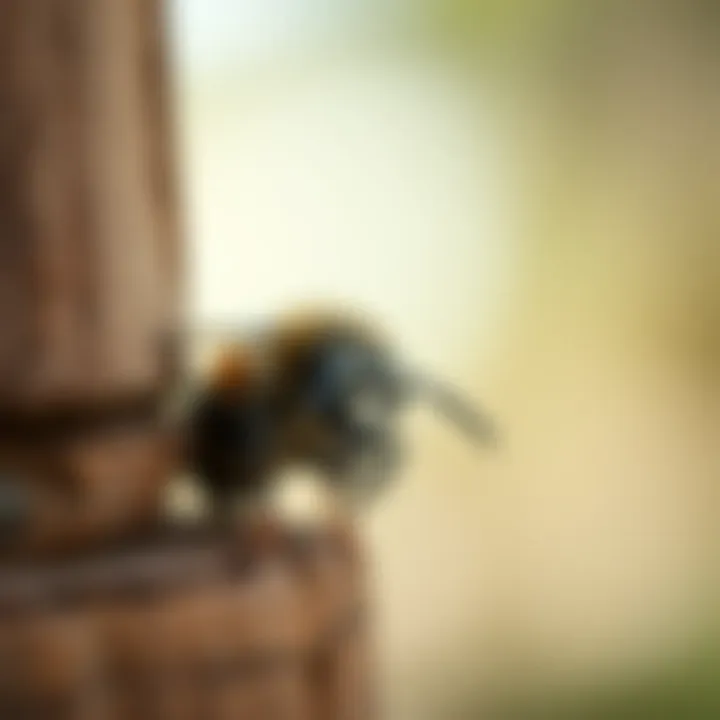
Carpenter bees display some striking features that set them apart. Unlike bumblebees, these bees have a glossy black abdomen, which gives them a polished appearance. The males are typically more docile, lacking a stinger, while females can sting but usually only do so when provoked. Another interesting trait is their habit of tunneling into wood to create nests. They prefer unpainted, weathered wood, which makes porches, decks, and eaves prime real estate for these insects.
Some key characteristics include:
- Size: Generally larger than bumblebees, ranging from about 0.5 to 1 inch in length.
- Nesting behavior: They drill holes, often in a straight line, to create galleries in wood.
- Coloration: Their shiny black surface can sometimes be mistaken for being wet, which adds to their distinctive look.
By recognizing these traits, homeowners and gardeners can better identify and understand the presence of carpenter bees in their domains.
Life Cycle and Behavior
The life cycle of carpenter bees is quite fascinating, beginning with the female's role in nesting. After mating, a female selects a suitable piece of wood, drilling a hole that serves as a tunnel for her offspring. The process is slow; she may take breaks between creating new cells. Each cell is packed with pollen and nectar, forming a food source or a "bee cake" for the larvae that will hatch.
Here's a brief overview of their life cycle:
- Mating: Adult males attract females by displaying around nesting sites.
- Nesting: Females shouldering the responsibility start the laborious task of digging.
- Eggs: Once a cell is finished, the female lays an egg and seals the chamber.
- Larval Stage: After hatching, larvae feed on the bee cake until they pupate and turn into adults.
- Emergence: New adults emerge typically in spring, ready to begin the cycle anew.
Their behavior is equally intriguing. Carpenter bees are known for their territorial nature, where males may hover near nesting sites to guard against intruders, all the while singing a tune known as "buzzing". They are also responsible pollinators, visiting various flowers which plays a crucial role in the ecosystem.
Understanding carpenter bees' life cycle and behavior is essential because it directly informs the most effective management strategies.
In wrapping up this section, it's clear that a comprehensive grasp of the characteristics and life cycles of carpenter bees not only enhances our understanding but is crucial for safeguarding our properties from potential damage.
Understanding Their Nesting Habits
Carpenter bees tend to be the uninvited guests that most people don’t know they’ve invited until it’s too late. Understanding their nesting habits is crucial for homeowners, ecologists, and anyone concerned about the integrity of wooden structures. These habits dictate where and how they thrive, which plays a role in effectively managing them. By knowing their preferred nesting spots and behaviors, one can better prepare and take preventive measures to avert potential damage.
Preferred Locations for Nesting
Carpenter bees have a peculiar habit of favoring specific locations for nesting, which greatly influences their impact on wooden structures. Typically, they prefer softwoods such as cedar, pine, or spruce. However, they aren’t picky; untreated wood in your garden shed, fences, or patio may catch their eye just as easily.
- Sunlit Areas: Carpenter bees often choose areas with high sun exposure. The warmth likely helps their larvae thrive, much like sunbathers at a beach soaking up rays.
- Near Existing Holes: You might find them nesting close to abandoned tunnels of previous years—like someone moving into a neighborhood because the previous owner had established all the community ties.
- Rough Surfaces: Smooth surfaces are a no-go for these bees. They love rough, old wood as it’s easier for them to excavate. A deck that’s aged over time might just look like a perfect timeless treasure for a carpenter bee.
It’s interesting to note that they also prefer structures that are somewhat sheltered from the elements. It’s not uncommon to discover nests beneath eaves or inside unguarded wood. The more you understand their choices, the better prepared you become to manage their presence effectively.
Impact on Wooden Structures
Now, let’s talk about the elephant in the room—the damage that carpenter bees can inflict on your wooden structures. Their nesting behavior isn’t just an inconvenience; it's downright destructive if left unchecked. Once they find their cozy spot, they will bore into the wood, creating tunnels that can compromise the structural integrity of the material over time.
The average carpenter bee can create tunnels that extend up to ten inches or even more. Here’s what to consider regarding their impact:
- Costly Repairs: Many homeowners initially think that carpenter bees are just a nuisance. But those tiny holes can lead to significant, costly repairs if infestations are not addressed promptly.
- Structural Damage: Over time, the tunneling can weaken beams, decks, or furniture, making them susceptible to further decay or even collapse. It’s like allowing a small leak to fester; before you know it, you’ve got a hole in your dam.
- Increased Pest Attraction: The holes created by these bees can invite other pests, such as woodpeckers, which might create even larger issues. It’s like sending out an open invitation to the neighborhood party without knowing what mischief might ensue.
Ultimately, being aware of carpenter bees and their nesting preferences can empower you with the knowledge needed to take action. Whether it’s using preventive measures or understanding when to seek professional help, watching out for their habits is the first step toward protecting your precious wooden structures while coexisting with these intriguing pollinators.
Ecological Role of Carpenter Bees
Carpenter bees are often dismissed by many as just pesky insects that cause damage to wooden structures. In reality, their ecological role is quite significant and multifaceted. Understanding how these bees contribute to our ecosystems can provide insight into the reasoning behind the need for a humane approach to their management.
One of the prime contributions of carpenter bees is their ability to pollinate. They are particularly attracted to certain types of flowers and plants, which rely on them to reproduce. Neglecting their role can have a cascading effect on local flora and fauna.


The specific elements to consider here involve their pollination habits, particularly the plants that they favor. Many agricultural crops depend on these bees for the transfer of pollen, which is essential for fruit production. For instance, they play a vital role in the pollination of tomatoes, peppers, and various fruit-bearing plants.
Additionally, carpenter bees have co-evolved with certain flowers, leading to a mutually beneficial relationship. The plants provide nectar for the bees, while the bees ensure the plants can reproduce. This interdependency preserves ecosystem balance.
"Without pollinators like carpenter bees, the quality of our ecosystems would deteriorate, affecting food supplies and biodiversity."
Another consideration is the educational aspect of their role. By understanding how these insects contribute to pollination, we can raise awareness about the importance of maintaining biodiversity. This understanding can further influence agricultural practices, promoting more sustainable methods that are bee-friendly.
Furthermore, carpenter bees have their place within the food chain. They serve as prey for a range of birds and other predatory animals, thus supporting local wildlife. The absence of these bees could lead to a void in the food web, affecting various species that rely on them for sustenance.
To summarize, it is crucial to appreciate the ecological role of carpenter bees. Their contribution to pollination is invaluable, not just for certain crops but also for the health of the entire ecosystem. As we move forward in managing these bees, keeping their ecological significance in mind will aid in developing strategies that do not simply aim to eradicate them but instead harness their benefits in a balanced manner.
Pollination Contributions
Pollination is arguably the most noteworthy function that carpenter bees fulfill. These bees exhibit a unique flight pattern and foraging behavior that allows them to access nectar deep within some flowers. As they move from flower to flower, pollen grains attach to their bodies, facilitating the reproductive process of plants.
It's not merely the act of pollination that matters. The efficiency and effectiveness with which carpenter bees carry out this task are remarkable. For example, they are known for their strong preference for certain plant species, such as cucumbers and blueberries. This preference leads to enhanced fruit and vegetable yields, which directly supports agricultural productivity.
In terms of behavior, carpenter bees are often solitary, unlike honeybees that live in colonies. Their solitary nature allows them to focus extensively on their foraging activities, ensuring they can pollinate a wider variety of plants. This behavior is important as it strengthens the genetic diversity of many plant species, ultimately enhancing ecological resilience.
Inter-species Relationships
Carpenter bees do not operate in isolation; they are part of a larger environmental network. Their relationships with other species significantly contribute to biodiversity. The way they interact with various plants fosters competition and attraction among other pollinators.
Moreover, the presence of carpenter bees in a habitat can signal healthy ecosystems. A diverse population of pollinators, including these bees, indicates that the environment supports a variety of plant species, which in turn sustains other wildlife. This interdependence isn't merely beneficial; it's essential for ecological balance.
Interestingly, competition among different pollinators can lead to a richer floral display and increase the abundance of wildflowers, further supporting diverse ecological interactions. This means something as simple as a garden can become a hotspot for various species if carpenter bees and other pollinators thrive.
In the broader picture, understanding the inter-species relationships facilitated by carpenter bees can lead to better habitat management practices that promote biodiversity. This serves to underline the need for informed and humane bee management strategies that recognize the importance of these insects in maintaining ecological integrity.
Identifying Carpenter Bee Infestations
Identifying carpenter bee infestations is a critical step in protecting not only wooden structures but also the delicate balance of the local ecosystem. Carpenter bees, like clandestine craftsmen, can quietly cause significant damage if left unchecked. Recognizing these infestations early can save homeowners considerable time and money while promoting a greater understanding of these fascinating yet destructive insects. Here, we’ll explore the signs that indicate an infestation, as well as how to distinguish between carpenter bees and bumblebees, ensuring you can address any issues accurately.
Signs of Infestation
The signs of a carpenter bee infestation can sometimes be subtle, yet with careful observation, they become apparent. Here are several telltale indicators to look out for:
- Drilled Holes: One of the most noticeable signs is one-eighth inch holes in wood surfaces. Carpenter bees are known to create nest tunnels that extend into the wood, sometimes revealing a clean entrance. Be mindful of these tiny openings, as they often indicate a nesting area.
- Wood Sawdust: Upon closer inspection beneath suspected areas, you may find small piles of sawdust. This debris escapes from the bees' nests as they tunnel inside, marking clear evidence of their activities.
- Bee Activity: Observing the behavior of bees around your property can provide further clues. Carpenter bees typically hover around drilled areas, and you might notice them attempting to enter their nests during warmer months.
- Damage Over Time: If infestation is severe, wood structures might begin to sag or collapse as the integrity is compromised. Look for weakened wooden beams or structural components as a signal of extensive bee activity.
It’s essential to keep an eye out throughout the spring and summer, as this is when carpenter bees are most active and noticeable.
"The first step in addressing any infestation is identifying it; knowing your enemy is half the battle."
Distinguishing from Bumblebees
At first glance, it can be quite challenging to tell carpenter bees apart from their more docile relatives, the bumblebees. They share similar sizes and general appearances; however, some key characteristics can help you differentiate the two:
- Appearance: Carpenter bees have a unique appearance featuring a less hairy, shiny abdomen, while bumblebees are generally covered in abundant dense hair, giving them a fuzzier look. This sheen is particularly noticeable in the black and yellow species.
- Nesting Habits: While bumblebees create nests in pre-existing cavities or burrow into the ground, carpenter bees prefer wooden structures, creating their nests directly in the material itself. Understanding these habits can clarify which insect you are dealing with.
- Behavior: Carpenter bees are often solitary and less aggressive than bumblebees, who are social creatures and tend to defend their nests more vigorously. If the bee is hovering nearby but poses little threat, it’s likely a carpenter bee.
- Drumroll Behavior: Carpenter bees may engage in a unique flight pattern where they hover in place, resembling a drone's action. This behavior can create the illusion of aggression, though they are typically more concerned with their nests than with humans.
By taking the time to accurately identify infestations and distinguishing carpenter bees from bumblebees, you're armed with the knowledge to take appropriate and informed action. This vigilance ultimately not only saves your wooden structures but also protects the health of our bee populations.
Preventive Measures Against Carpenter Bees
Taking proactive preventive measures against carpenter bees is crucial for preserving wooden structures and maintaining a pest-free environment. These bees, while essential for pollination, can cause significant damage by burrowing into wood to establish their nests. Understanding their habits and implementing effective strategies can minimize the risk and deter these insects before they become a problem.
Physical Barriers
One of the most straightforward methods to prevent carpenter bee infestations is the use of physical barriers. These barriers can serve to create a protective shield, making it harder for bees to gain access to the wood. Here are some effective strategies:
- Wood Sealants: Applying a quality sealant to exposed wooden surfaces acts as a deterrent. Bees are less likely to tunnel into wood that is treated, as it disrupts their preferred nesting environment.
- Screens and Mesh: Utilizing fine mesh screens over vents and openings can keep carpenter bees from entering areas where they might nest. Make sure that these screens are of a suitable size to prevent these insects from slipping through.
- Bristle Barriers: Installing bristle brash on surfaces can impede the access points and discourage bees from attempting to nest in the area. This method might require some upkeep but can be quite effective.
When thinking about barriers, consider the aesthetic aspect as well. A beautiful, well-maintained wooden deck can be both functional and pleasant to the eye, even with barriers in place. Ensuring that these barriers blend seamlessly into your surroundings is key.
Best Practices for Wood Maintenance
Proper wood maintenance is another vital component in deterring carpenter bees. Besides just sealing and protecting your wood, a well-planned maintenance schedule can help maintain the wood’s structural integrity and appearance:
- Regular Inspections: Conduct thorough inspections at least twice a year to look for signs of damage or nesting. Early detection is crucial; finding small holes can prevent larger infestations later.
- Staining and Painting: Regularly applying stains or paint not only enhances the visual appeal of your wooden structures but also creates a less attractive environment for carpenter bees. They tend to avoid painted surfaces as they are typically more difficult to penetrate than bare wood.
- Wood Types: Opt for types of wood that are less attractive to carpenter bees. Certain treated woods, such as cedar or redwood, can be less enticing due to their natural oils and resins.
Creating a routine for maintenance helps ensure that your wooden structures remain in good shape and do not provide an inviting nesting ground for carpenter bees.
Remember: By implementing these preventive measures, homeowners can protect their properties while promoting a balanced ecosystem. Remaining mindful of the dual role that carpenter bees play—both as pollinators and potential pests—can lead to more sustainable management practices.
Natural Deterrents for Carpenter Bees
Understanding how to deter carpenter bees naturally provides a significant edge for homeowners looking to protect their wooden structures while also maintaining ecological balance. These bees, unlike typical pests, are also crucial pollinators, making a natural approach to deterrence not just viable, but necessary. By utilizing natural methods, homeowners can effectively minimize the risk of structural damage without harming the environment or disrupting local bee populations.
These natural deterrents are typically safer for human exposure and act in harmony with the environment, thus encouraging beneficial insects to thrive alongside these formidable pollinators. Moreover, adopting natural strategies can often be more cost-effective and sustainable in the long run.
Essential Oils and their Efficacy
Utilizing essential oils as a deterrent for carpenter bees can be particularly effective. Oils like peppermint, tea tree, and citrus are known for their strong aromas, which are not only pleasant for humans but also offensive to bees. The rationale behind using such oils lies in their volatile organic compounds, which make the environment less inviting for carpenter bees to nest.
When applying essential oils, here are a few methods to consider:
- Mixing oils with water: Combine a few drops of your chosen essential oil with water in a spray bottle. Apply this mixture around areas susceptible to bee activity.
- Soaked cotton balls: Soaking cotton balls in essential oil and placing them in high-risk areas can be an effective deterrent. This method allows for prolonged release of the scent.
However, it's important to regularly reapply essential oils, especially after rain, to ensure continued deterrent efficacy. The strength of the scent may diminish over time, which means keeping tabs on any resurgence of bee activity should be part of your maintenance routine.
Plant-Based Repellents
Incorporating repellent plants into your garden can serve a dual purpose: beautification and deterrence. Certain plants naturally repel carpenter bees because their fragrance disrupts the scent markers these bees rely on for navigation. Some exemplary plants include:
- Lemon Balm: Known for its citrus scent, lemon balm effectively masks the natural scents that attract carpenter bees.
- Citronella Grass: Besides repelling mosquitoes, citronella is a popular option for deterring bees. It thrives in sunny locations.
- Lavender: This fragrant herb not only smells delightful but also can deter carpenter bees when planted around wooden structures.
Planting a barrier of these repellers around areas like decks, pergolas, or wooden fences offers a proactive way to mitigate risks of bee infestations. Furthermore, the presence of such plants contributes positively to local biodiversity, attracting other pollinators that complement the ecosystem.
"Using natural deterrents fosters a harmonious environment where all creatures can thrive without conflict."
By integrating these natural deterrents, homeowners can manage carpenter bee activity while fostering a garden environment that's conducive to beneficial insects. Engaging these strategies encourages a more symbiotic relationship with the environment, thereby emphasizing sustainable management practices.
Synthetic Deterrents and Insecticides
When discussing management strategies for carpenter bees, synthetic deterrents and insecticides often surface as critical tools. These commercially available options provide homeowners and professionals with effective means to combat these wood-burrowing insects, particularly when natural methods prove insufficient. The importance of understanding synthetic options lies in their targeted action and varied application methods that cater to different environments and preferences.
Using chemical deterrents can help minimize the damage caused by carpenter bees without the extensive trial-and-error often associated with less potent measures. However, it's essential to highlight that alongside their efficacy, there are responsibilities. These products come with considerations regarding environmental impacts and safety for non-target species, including pets and beneficial insects.
Chemical Sprays and Their Application
Chemical sprays designed for carpenter bees typically contain active ingredients that interfere with the nervous system of insects. Commonly used chemicals include:
- Pyrethroids: These are synthetic chemicals mimicking natural plant compounds. They are effective against a variety of insects, including carpenter bees. The sprays can be applied directly where bees are observed, ensuring an immediate impact.
- Boric Acid: Traditionally used as an insecticide, boric acid can be mixed with bait to attract and lethally affect carpenter bees. This method takes advantage of the bees’ natural foraging behavior.
- Insect Growth Regulators (IGRs): These chemicals disrupt the development of bees, preventing them from reproducing or maturing into adults.
When applying chemical sprays, attention must be given to timing and technique. Spraying during early morning or late afternoon, when carpenter bees are less active, ensures better coverage and lowers the risk of disturbing non-target species. Here are a few tips for effective application:
- Wear protective gear such as gloves and masks while applying to avoid inhalation or skin contact.
- Target nests specifically and spray into drilled holes or wooden structures to maximize the treatment's effectiveness.
- Avoid spraying on flowering plants to protect pollinators from exposure to harmful chemicals.
Safety Recommendations
Using synthetic deterrents responsibly is essential to ensure safety for both humans and the environment. Here are some key safety recommendations:
- Read Label Instructions: Before utilizing any chemical compounds, understanding the label's guidelines is crucial. Each product has specific instructions regarding application, safety precautions, and disposal.
- Keep Pets and Children Away: Ensure that treated areas are secure and kept off-limits until the product has dried or settled, depending on the manufacturer's guidance.
- Store Chemicals Safely: Store products in a high, locked cabinet away from children and animals.
- Use Integrated Pest Management (IPM): Whenever possible, combine synthetic options with cultural practices, such as sealing entry points and maintaining wood integrity, to enhance overall effectiveness without over-reliance on chemicals.
A mix of synthetic deterrents and prudent practices can help create a balanced approach to managing carpenter bee populations, ensuring effective control while reducing risks to beneficial wildlife.
Humane Approaches to Bee Management


When dealing with carpenter bees, it’s vital to consider humane approaches to management. These methods allow for the coexistence of humans and bees while minimizing potential damage to wooden structures. Humans have a penchant for wanting to eradicate pests, yet these bees play an essential role in pollination, making it all the more important to find ways to manage them without direct harm. Adopting humane methods not only protects the bees but also builds a healthier ecosystem overall.
One of the core benefits of humane management is fostering a balance between protecting property and conserving flora and fauna. Here, we explore two significant avenues within this humane framework: relocation options and creating bee-friendly gardens.
Relocation Options
Relocation of carpenter bees can be an effective strategy for addressing infestations while still being considerate towards these creatures. It’s rather straightforward — when bees are relocated properly, their chances of survival increase significantly compared to if they were exterminated.
Relocation involves several steps:
- Identifying the Nest: First, confirm the location of the nest. Look around for holes in wooden structures and carefully observe bee activity.
- Timing: Early morning or late afternoon is the best time to capture bees as they are less active then.
- Using a Bee Box: This can be a simple wooden box where bees can be safely collected. Drill small holes that match the entrance of their current nest.
- Covering the Nest Site: After the bees have been relocated, it would be wise to cover the original nesting hole with wood filler to prevent them from returning.
"Relocating carpenter bees not only helps preserve the species, but it also can prove beneficial for local gardens and ecosystems."
Be aware, it’s important to relocate them to a suitable environment. Think of areas with flower-rich surroundings where they can thrive. This strategy benefits both humans and bees, allowing coexistence without damage to our expansive wooden structures.
Creating Bee-friendly Gardens
Creating bee-friendly gardens is another humane way to engage with carpenter bees. By designing spaces that attract them, homeowners can redirect the bees to natural habitats, which is where they ultimately belong.
Here are some key components to ponder for creating a welcoming environment for these pollinators:
- Diverse Plant Selection: Include a variety of nectar-rich flowers that bloom at different times. Examples such as lavender, sunflowers, and black-eyed Susans can be excellent choices.
- Avoid Chemicals: Steer clear of pesticides and insecticides as they harm not just carpenter bees but other beneficial insects as well.
- Natural Shelters: Let’s be honest; bees need places to live. Provide natural habitats through bee hotels or simply by allowing some areas of your yard to grow wild. This gives the bees a place to nest without damaging your property.
- Water Source: Ensure there’s a safe water source for the bees, like shallow dishes filled with pebbles and water. This resource is vital during dry spells.
In summary, employing humane approaches to manage carpenter bees is essential for fostering a sustainable interaction between humans and these important pollinators. Through relocation and the facilitation of bee-friendly spaces, we can maintain the health of our environment while simultaneously protecting our beloved wooden structures. Embracing this ethos will contribute to greater ecological integrity and encourage a culture of respect for all living beings.
Monitoring and Assessing Effectiveness
Monitoring and assessing the effectiveness of deterrents for carpenter bees holds immense significance for homeowners and garden enthusiasts. It’s not just about putting up barriers or spraying chemicals; it’s about keeping a close eye on the situation and understanding how these actions influence bee behaviors and overall eco-balance. If we consider that carpenter bees are an integral part of our ecosystem as pollinators, effective management becomes a delicate dance.
When homeowners actively monitor bee activity, they not only learn about the infestation density but also identify potential breeding grounds. This knowledge aids in tailoring approaches that do not only push the bees away but also prevent them from causing harm to wooden structures. Keeping a wind of awareness about the local bee population is key.
Tracking Bee Activity
Keeping track of carpenter bee activity can be achieved through simple observational techniques. A casual stroll around your property can yield a lot of information. Here are some methods:
- Daily Observations: Spend a few minutes each day looking around known nesting sites. Observe not just for bees, but for signs of damage. If you spot shavings or holes, it’s a sure sign of their presence.
- Scheduled Checks: Setting a schedule—say weekly checks—will help maintain consistency in evaluation. Mark calendars and set reminders so that tracking doesn’t slip through the cracks.
- Photographic Evidence: Capture photos of infestations or nesting areas over time. This visual documentation can serve to indicate changes in bee population or nesting behavior, providing insights into the effectiveness of your deterrent strategies.
Understanding what time of day the bees are most active can also assist in managing deterrents. They often visit nests at dawn or dusk, and being aware of this can help inform your strategy.
Evaluating Deterrent Success
Once you've implemented your deterrence methods, assessing their success is crucial. Evaluation allows you to adapt and refine your strategies for better results. Consider the following tips for effective evaluation:
- Reduction in Activity: A significant drop in bee sightings can signal that your deterrents are working. Take note of the timelines though—some methods might take time before showing results, so patience is vital.
- Maintenance Records: Keeping a log of maintenance work done can further inform what improvements are necessary. If a certain technique seems less effective over time, it might be time to switch up the approach.
- Engagement with Neighbors: Discuss with neighboring homes about their experiences. If local bees seem to be thriving, it could affect your neighborhood as bees do not adhere to property lines.
Proper monitoring gives homeowners the upper hand in managing carpenter bees while maintaining the integrity of their wooden structures.
Finale
In wrapping up our comprehensive exploration of carpenter bees, it becomes clear that understanding these fascinating creatures and the methods for deterring them is crucial. This knowledge serves not only as a means to protect wooden structures but also plays a significant role in preserving the local ecosystem. Carpenter bees, while often deemed a nuisance due to their wood-boring habits, are vital pollinators. They contribute to the health of many flowering plants and crops. Hence, any management strategy should be approached with a level of respect for their ecological role.
Reflections on Carpenter Bees
Carpenter bees exhibit behaviors that can be puzzling at times. They earn their name through their remarkable ability to drill into wood, creating nesting cavities. While they might not possess the fuzzy charm of bumblebees, they are competent pollinators, making them an essential part of our natural world. It's easy to misunderstand their intentions, particularly when they invade wooden structures. But as we take a step back, we see their role in the larger context of plant interaction and biodiversity.
Some may find it challenging to look past their destructive tendencies, especially when a prized deck is at stake. Nonetheless, it is important to recognize that carpenter bees usually prefer soft or rotting wood where they can easily create a nest. This behavior reflects their ecological niche, reminding us that every creature has its place in the grand scheme of life.
In terms of management, the focus should ideally be on prevention and non-lethal means of deterrence. Using treatments that are safe for both the bees and the environment can contribute to a balanced ecosystem. Understanding their behaviors, such as their peak activity times and nesting seasons, allows property owners to implement strategies that discourage nesting without causing harm.
Future Considerations for Management
The journey towards effective management of carpenter bees lies in continuous education and adaptation of strategies. As our understanding of their behavior evolves, so too should our methods of deterrence and control. Homeowners are encouraged to remain mindful and observant, noting not just signs of infestation but also the seasonal patterns of carpenter bee activity.
The integration of environmentally friendly deterrents, such as essential oils or creating bee-friendly habitats in designated areas of the garden, could strike a balance between man-made systems and nature. This could foster a space where bees can thrive away from unwanted areas without being harmed.
Furthermore, collaboration with local wildlife biologists and entomologists could enhance strategies. Reaching out to them for guidance on how best to address local populations can provide fresh perspectives. As communities become more conscious of their impact on the environment, there may also be an increasing public interest in sustainable practices regarding carpenter bees and other pollinators.
Ultimately, managing carpenter bees requires not just a response to their presence but a holistic view of their role. By practicing thoughtful management that respects both structural integrity and ecological balance, we can work towards a future where humans and carpenter bees coexist peacefully.