In-Depth Exploration of Red Fox Behavior and Ecology

Intro
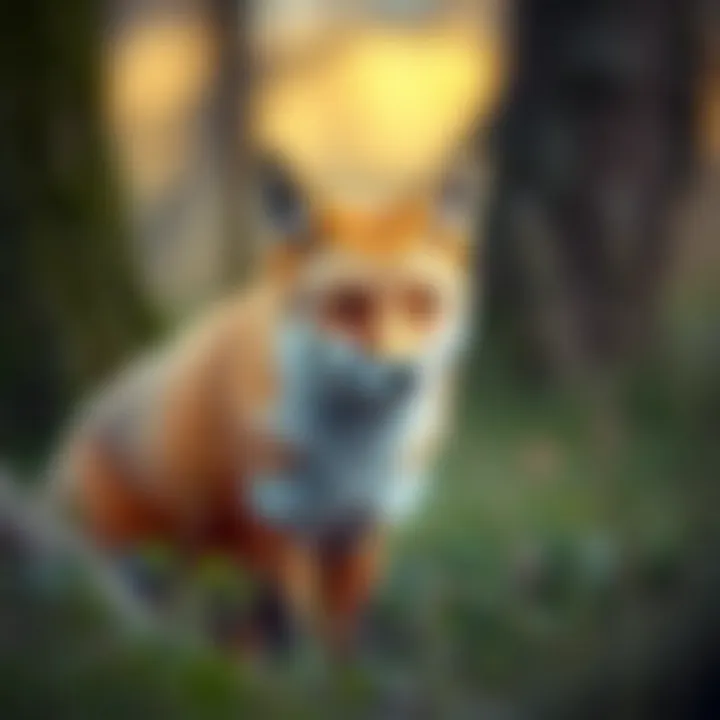
Red foxes, with their iconic bushy tails and keen sense of adaptability, have carved a notable niche within the animal kingdom. As members of the Canidae family, these creatures are not just ordinary wild animals. Their impressive capacity to thrive in diverse environments makes them a subject of interest for researchers and wildlife enthusiasts alike. Through this article, we will take a closer look at the enchanting lives of red foxes, highlighting their anatomy, behavior, and the critical roles they play within their ecosystems.
Animal Overview
Common Name and Scientific Classification
The common name, red fox, refers to Vulpes vulpes, a species that showcases a dazzling coat of reddish-orange fur, distinguished by a white-tipped tail and black legs. This species is the most widely distributed carnivore in the world, residing from North America to Asia, and even the deserts of North Africa. Its adaptability allows it to inhabit various environments ranging from forests to urban settings.
Physical Characteristics
In terms of stature, red foxes can weigh anywhere between 8 to 15 pounds, with an average length of about 18 to 35 inches. Their striking features include sharp, alert ears and keen eyes that reflect intelligence. Foxes showcase physical adaptations that include a lightweight build and large bushy tails which aid in balance and communication. Their distinctive scent glands help them mark territory and communicate with others of their kind.
Habitat and Distribution
Red foxes thrive in diverse habitats across the globe. From lush woodlands, open fields, to urban areas, they show a remarkable ability to adapt to various surroundings. In urban areas, their presence has become more common, often seen rummaging through gardens or navigating bustling streets. Their widespread distribution signifies their resilience and ability to co-exist alongside human populations, though this sometimes leads to conflicts that need careful management.
Behavior and Social Structure
Communication Methods
Communication among red foxes is multifaceted, involving a blend of vocalizations, body language, and scent marking. They employ a series of barks, howls, and screams that can denote everything from territorial warnings to mating calls. Observers often note their intricate body language, where postures and tail positions convey emotions and intentions.
Social Hierarchies
Typically, red foxes are solitary animals; however, they may form loose family groups during the breeding season. Social hierarchies can arise, especially in areas with abundant food resources. Vulpes vulpes often employs strategic approaches to hunting, working cooperatively when necessary and competing vigorously when food is scarce. Their fluid social structures emphasize adaptability, allowing them to thrive in varying environmental conditions.
Mating and Reproductive Behavior
The mating season usually occurs in late winter to early spring, marked by intricate courtship behaviors. After a gestation period of about 53 days, females, known as vixens, give birth to a litter averaging four to six kits. During the first few weeks, the kits depend heavily on their mothers for nourishment and protection. The dynamics surrounding parenting can vary, with both parents often playing roles in rearing the young and teaching them essential survival skills.
Conservation Status
Current Population Trends
While red fox populations are generally stable, certain regions face challenges due to habitat loss, hunting, and disease. Their adaptability has often shielded them from decline; however, specific localized populations may suffer due to human encroachment and environmental changes. Current monitoring efforts are vital in sustaining their populations, especially in areas facing significant ecological transformation.
Threats and Challenges
Red foxes encounter several threats, including habitat destruction, road mortality, and trapping. Exposure to diseases like rabies and distemper further poses challenges. Moreover, interactions with domestic pets and increasing urbanization pose unique threats to their survival, making understanding their behavior essential in mitigating conflicts with human activities.
Conservation Efforts and Success Stories
Efforts to conserve red foxes often involve habitat management and public awareness initiatives. For example, organizations have worked to secure protected areas, ensuring safe habitats for these animals to thrive. Successful reintroduction programs and public education campaigns about living harmoniously with wildlife underscore the importance of red foxes in our ecosystems.
"The red fox is not just an intriguing animal; it’s a vital component of the ecosystem, maintaining balance by controlling prey populations and enhancing biodiversity."
Through insights gathered from various studies, we can begin to grasp the intricacies of red fox life and appreciate their role in our environment. As they navigate challenges in both wild and urban landscapes, understanding and respecting their existence becomes crucial for their continued survival.
Prolusion to Red Foxes
Red foxes, scientifically known as Vulpes vulpes, are more than just emblematic creatures in folklore; they embody an intricate tapestry of ecological importance, adaptive ingenuity, and an indelible place in human culture. Understanding red foxes serves both practical and theoretical purposes. Firstly, these animals are pivotal in maintaining the balance of various ecosystems. Through their hunting practices, they regulate populations of smaller mammals and insects, which in turn impacts plant life and the overall health of their habitats. Moreover, they are remarkably adaptable, thriving in environments from dense forests to vibrant urban locales.
This section delves into key elements that characterize red foxes, highlighting their taxonomy and classification, which is crucial for understanding their evolution and relationship with other canids. Furthermore, we will explore their historical significance, providing insights into how these cunning animals have woven their way into our collective myths and lore—often seen as symbols of cleverness and adaptability. By grasping these fundamentals, readers can appreciate the complex role red foxes play not just in nature, but in the broader narrative of biodiversity and conservation efforts.
Taxonomy and Classification
The red fox belongs to the family Canidae, which also includes wolves, coyotes, and domestic dogs. It is categorized within the genus Vulpes, a Latin term that means 'fox'. The red fox species is globally recognized with its Latin name, Vulpes vulpes, and troubles not only biologists but also enthusiasts with its sub-species which vary across continents and environments. Among these are the Arctic fox (Vulpes lagopus) and the Tibetan fox (Vulpes ferrilata), both of which exhibit adaptations allowing them to survive in extreme climates.
In terms of evolutionary biology, red foxes evolved about 10 million years ago from ancient canid ancestors. This long lineage has enabled them to fine-tune their behaviors and physical traits. The classification system helps researchers communicate effectively about different species, allowing them to pinpoint ecological niches, behavioral patterns, and conservation needs. This is especially pressing as habitat destruction affects their range, pushing some populations into unfamiliar territories.
Historical Significance
Throughout history, red foxes have held significant cultural value across various societies. Many ancient civilizations regarded them with a mix of veneration and caution. For instance, in Greek mythology, the fox is often portrayed as a clever trickster, representing cunningness that outsmarts brawn. The fox was also revered in some Native American cultures where it appeared in stories that emphasized wisdom, adaptability, and survival skills.
Beyond their mythological standings, red foxes have influenced contemporary art and literature. They appear in fables by Aesop, who used them to convey moral lessons— a legacy that still resonates in modern storytelling. Furthermore, they are commonly featured in wildlife documentaries and educational programs, highlighting the intersection of human curiosity and respect for nature.
"Throughout different cultures, the red fox symbolizes intelligence, adaptability, and sometimes, deceit, reflecting our own relationship with nature."
In summary, understanding the evolutionary background and cultural significance of red foxes provides crucial context for appreciating their role in biodiversity and the ecosystems they inhabit. This foundational knowledge sets the stage for more in-depth exploration into their physical characteristics, habitats, behaviors, and conservation efforts.
Physical Characteristics
Understanding the physical characteristics of red foxes is crucial for anyone studying or appreciating these remarkable creatures. Their unique features not only enable them to adapt to various environments but also play a significant role in their survival strategies. From body structure to sensory capabilities, these qualities intertwine to create a complex life form that stands out in the animal kingdom. The striking colors of their fur and the size of their bodies all contribute to their ecological niche, offering insights into their behavior and interactions within the ecosystem.
Body Structure and Size
Red foxes, known scientifically as Vulpes vulpes, possess a slender yet agile body structure. An average adult measures about 18 to 35 inches long, excluding their bushy tails, which can add another foot or more. Their weight can range from 8 to 24 pounds. This size allows for excellent mobility and stealth in hunting and navigating diverse terrains.
Their long legs are well-suited for running swiftly, especially when it comes to escaping predators or pursuing prey. More than just the size, their body shape is designed with efficiency in mind—elongated features facilitate agility, making them adept at maneuvering through both thick underbrush and open fields. These characteristics also enhance their ability to maintain a low profile in both forest and urban settings, thus exhibiting remarkable adaptability.
Fur Coloration and Patterns
The coat of a red fox is another standout trait that serves multiple purposes. Typically, their fur is a vibrant reddish hue, complemented by white underbellies and black-tipped ears and legs. This distinctive coloration functions as camouflage in various environments, from the russet tones of autumn foliage to the stark contrasts of winter snow. Moreover, the patterns also help in communication with other foxes through visual cues, signaling both their mood and territory.
Each fox can display variations in coat color; some may appear darker or even melanin-rich black. These variations not only reflect genetic diversity but also showcase how foxes can adapt to their surroundings, a fact certainly worth noting for wildlife biologists studying the species.
Sensory Adaptations
Red foxes are equipped with extraordinary sensory adaptations that are crucial for their survival. This includes formidable eyesight, acute hearing, and an exceptional sense of smell.
Vision
Foxes have a unique eye structure that allows them to see well in low light conditions. With a tapetum lucidum—a reflective layer behind the retina—these animals maximize their night vision. This adaptability is particularly beneficial since red foxes are often crepuscular, meaning they are most active at dawn and dusk. The distinctive yellow-gold hue of their eyes provides them with excellent night vision, allowing them to spot movements in the dark.
Hearing
Their auditory capabilities are remarkably advanced, providing red foxes with a crucial edge in locating prey. With the ability to hear frequencies as high as 65,000 Hz, they can detect the faintest rustle of small mammals beneath the snow or foliage. This keen sense of hearing is essential for their survival, especially in habitats with dense vegetation. Such an advantage allows them to hunt effectively, even when visibility is low and potential prey might be hidden.
Smell
Perhaps the most vital of the three senses, a red fox's sense of smell is formidable. It can detect odors from more than a mile away. This adaptation is essential not just for hunting but also for social interactions and territorial marking. Their keen olfactory abilities enable them to identify other animals and potential threats in their surroundings.
Their nostrils are equipped with specialized receptors that help them analyze scents accurately, contributing significantly to their foraging strategies. This acute sense also plays a role in communication, as pheromones and scents are integral to locating mates and recognizing rivals.
"The remarkable adaptations of red foxes make them an ideal subject of study to understand how wildlife interacts with its habitat and adapts to changing conditions."
The discussion surrounding the physical characteristics of red foxes reveals much about their existence and role in nature. With their body structure, fur, and sensory adaptations, these clever canids navigate their world, making them both fascinating and essential components of their ecosystems.
Habitat and Distribution
Understanding the habitat and distribution of red foxes is key to grasping their adaptation and survival strategies across various environments. This subject reveals where they thrive and how their surroundings influence their behavior, health, and population dynamic. These aspects highlight not merely biological preferences, but offer insights into ecosystem interactions, conservation strategies, and the broader implications of habitat changes due to human activities or climate shifts.
Global Range
Red foxes have quite a remarkable global range, stretching across continents and climes. From the frosty tundras of the Arctic to the temperate forests and the arid deserts of North Africa and the Middle East, their adaptability is noteworthy. Countries such as Canada and Russia boast large populations, while they gracefully find their footing in the urban landscapes of cities like London and New York.
This adaptability stems from their ability to thrive in diverse conditions, but it's crucial to note that the geographical distribution is often affected by availability of food and suitable shelter. With populations in multiple regions, red foxes demonstrate a remarkable survival instinct, finding ways to coexist with varying climates and, interestingly enough, human encroachment on their habitats.
Preferred Habitats
Forests
Forests are a vital habitat for red foxes, offering ample cover and abundant food sources. These wooded areas afford especially good opportunities to hunt small mammals, birds, and insects, which compose a large part of their diet. The dense foliage provides red foxes the secrecy they often seek, making it easier for them to stalk prey.
Moreover, forests exhibit a layered structure that aids in the creation of diverse microhabitats. This feature allows red foxes not just to establish dens, but also to escape harsh weather conditions. However, this lush environment can have drawbacks too; hunting becomes difficult if the underbrush is overgrown.
Grasslands
Grasslands present a contrasting environment for red foxes. Here, wide-open spaces allow for enhanced visibility, facilitating hunting strategies that capitalize on stealth and speed. The key characteristic of grasslands is their sheer expanse, making it easier for foxes to spot potential prey at a distance. These habitats also provide opportunities for scavenging.
Nevertheless, as advantageous as these plains are, they can lack the cover provided by forests. Without ample hiding spots, red foxes’ vulnerability to predators, including larger canines and birds of prey, increases. Grasslands can be a double-edged sword, offering both opportunities and challenges in the wild.
Urban Areas
Urban environments, surprisingly, have become fruitful grounds for red foxes. With the encroachment of human populations into natural landscapes, these adaptable animals have learned to exploit the resources available in cities. From foraging in dumpsters to hunting in green belts and parks, red foxes in urban areas show a remarkable ability to adjust their behavior to thrive amid human activity.
The unique feature of urban areas lies in their ability to offer food sources that might not be present in wild habitats, ranging from discarded food to domestic animals. However, living in cities comes with risks such as traffic, pollution, and potential conflicts with humans and pets, which are constant threats that can undermine their adaptability.
In summary, while red foxes can be found in various habitats—from forests and grasslands to urban areas—their success depends largely on their capacity to adapt to the distinct challenges and resources that each environment presents. Understanding these dynamics is essential for conservation efforts and to foster coexistence with human populations.
Sources for further reading:
- Wikipedia - Red Fox
- Britannica - Red Fox
- National Park Service - Red Fox
- Wildlife Research - Understanding Red Fox Distribution
- Nature Conservancy - Habitats
- reddit.com
- facebook.com
Behavioral Patterns
The behavioral patterns of red foxes are a blend of instinct, adaptability, and learned traits that together contribute to their survival. Understanding these patterns is crucial for veterinarians and wildlife biologists as it creates a comprehensive view of how these animals interact with their environment and other species. Moreover, it offers insights for families observing these creatures in the wild, fostering a greater appreciation for their complexities. In this section, we will delve into their social structures and hunting behaviors, which are essential to their ability to thrive in diverse habitats.
Social Structure
Social structure in red foxes can be seen as one of their defining characteristics. It gives us a peek into their lives, highlighting whether they prefer to roam alone or interact with others of their kind.
Solitary vs. Social Groups
When we talk about solitary versus social groups, we're really looking at how red foxes choose to socialize. In general, foxes are known to be solitary hunters, which means they often go it alone when searching for food. This solitary nature allows them to be stealthy and cunning, maximizing their hunting success without competition for resources.
However, during the mating season, they do become more social. Male and female foxes will come together, sometimes forming pairs that stick together for a short while. This mating strategy highlights the key advantage of social interaction in terms of reproductive success. In fact, young foxes will often stay with their families for a year after birth, learning essential survival skills before venturing out on their own.
On the other hand, there can be disadvantages to being too social. When red foxes do form groups, whether intentionally or incidentally, they may face increased competition for food, particularly in areas where resources are scarce.
"Solitary lifestyles empower individual survival skills, while temporary social bonds enhance reproductive opportunities."
Territoriality
Territoriality is a notable aspect of red fox behavior. Each fox tends to establish a territory that they actively guard against intruders. This behavior plays a vital role in fox social structure. Their territory may vary in size, depending on the availability of resources, ranging from about 1 square mile to upwards of 20.
Establishing and maintaining a territory enables red foxes to ensure access to food and mates. The longevity and success of individual foxes are tightly linked to their ability to defend their one little slice of the world effectively. Foxes communicate with each other using scent markings, vocalizations, and physical displays to establish boundaries.
However, territoriality can be a double-edged sword. While it provides a necessary resource advantage, it can also lead to conflicts with other foxes or even interactions with competing species, which could result in injuries or death.


Hunting and Foraging
The hunting and foraging behaviors of red foxes compose another vital aspect of their survival strategies. Each hunt is a calculated mix of skill, instinct, and adaptability. The way foxes select their prey and the techniques they use can significantly impact their success rate in the wild.
Prey Selection
When considering prey selection, red foxes exhibit a certain level of versatility. They are predominantly omnivorous, allowing them to hunt small mammals like rabbits but also to consume fruits, insects, and even human refuse. This ability to adapt to their environment makes them incredibly resourceful food gatherers.
However, there's a challenge here. While the broad diet can enhance survival, it can also result in dietary imbalances if certain food sources become scarce. Foxes that rely too heavily on urban waste, for example, may face health issues in the long term due to poor nutrient intake.
Techniques and Strategies
The techniques and strategies employed by red foxes during hunts vary greatly based on the environment. They employ a mix of stealth and playful tactics to catch their prey. For example, these clever animals are known to engage in 'mousing,' a technique where they leap into the snow to catch small rodents below. This method is not only effective but beautiful to observe.
Yet, like any strategy, it has its drawbacks. Successful hunting requires significant energy and is primarily reliant on the element of surprise. If a fox becomes too predictable in its hunting patterns, it can face unusually high failure rates.
In summary, red foxes display fascinating behavioral patterns shaped by their social structures and hunting techniques. Their adaptability in social interactions and dietary habits offers significant insight into their ecological role and survival strategies.
Reproductive Behavior
The reproductive behavior of red foxes is pivotal not just for species continuity but also for understanding their social dynamics and ecological impact. Investigating how they mate and raise their young provides significant insights into their adaptability and resilience in various habitats. By analyzing their reproductive rituals and pup development, we can appreciate the complex biological strategies they've evolved to survive while thriving in a range of environments.
Mating Rituals
Mating rituals in red foxes typically commence in the winter months, often peaking around February. During this time, females go into estrus, signaling their readiness to mate. The male fox, known as a dog fox, displays impressive courtship behaviors, which mix subtle gestures and vocalizations.
- Vocalizations: Loud yelps, howls, and barks fill the air, serving both as calls to potential mates and declarations of territory.
- Physical Displays: The male often exhibits body postures that express confidence, showcasing his health and vigor to potential mates.
These mating behaviors strengthen pair bonds, important for cooperative parenting. Red foxes are primarily monogamous during the breeding season, creating stable breeding pairs that work together in raising their offspring. This strategy affords protection for the pups from predators and ensures efficient gathering of food resources.
Gestation and Rearing
The gestation period for red foxes lasts about 52 days, culminating in the birth of a litter usually comprising four to five pups. Understanding the nuances of gestation and rearing can unveil significant traits of this species.
Denning Sites
Red foxes are selective in their choice of denning sites, often preferring secluded areas that provide safety for their pups. Common characteristics of den sites include:
- Location: Frequently found in hilly or wooded areas, but urban interactions have led to adaptations
- Concealment: Sites are often disguised by dense vegetation, protecting them from predators
The key feature of these dens is the depth and complexity. Deeper dens provide safety and coolness during hot weather, which is essential for pup survival. On the contrary, in urban settings, dens can become less secure, increasing vulnerability to human intervention and predators.
Advantages of these denning sites highlight their role in contributing to the successful rearing of young, while disadvantages may arise when environmental conditions become harsh or when human activity disrupts these areas.
Pup Development
Once the pups are born, their development progresses rapidly. From birth to independence, the first few weeks are critical:
- Neonatal Phase: Newborn pups are initially helpless, depending entirely on their mother for warmth and nourishment through her milk.
- Social Learning: As they grow older, pups begin engaging in play, an important phase for developing hunting skills and social interaction.
A key characteristic of pup development is the quick maturation. By four months, the pups begin to accompany their parents on hunts, thus learning essential life skills necessary for survival. This rapid development is crucial, especially in environments where food resources are scarce or competition is intense.
"The survival of a species hinges upon its ability to evolve and adapt, particularly in its reproductive strategies."
For more information on red foxes and their reproductive behaviors, you might explore Wikipedia or check discussions on Reddit that delve into these fascinating aspects.
Further reading can be explored at wildlife-focused educational sites, such as those ending in .edu and .gov.
Dietary Habits
The study of the dietary habits of red foxes, or Vulpes vulpes, provides crucial insight into their role as adaptable predators within various ecosystems. Their omnivorous feeding patterns allow them to thrive in diverse environments, from rural fields to bustling urban areas. Understanding what red foxes eat not only illuminates their survival tactics but also their impact on the ecological balance.
Omnivorous Feeding
Red foxes are true omnivores, which means they don’t stick to one type of food. They can munch on everything from small mammals like rabbits and rodents to fruits such as berries and apples. This diverse diet is a key factor in their success; they can adapt their eating habits based on what is available in their surroundings.
Their ability to forage allows them to keep populations of rodents in check, which can benefit agriculture by reducing crop damage. On the flip side, when food is scarce, red foxes have been observed rummaging through human waste or scavenging leftovers from dumpsters.
Key points to consider about their omnivorous feeding include:
- Diet Variety: Their menu is not just meat; they also enjoy insects and even some birds. This variety means they can make the best of whatever buffet nature serves up.
- Food Resourcefulness: Urban foxes have become experts in navigating human environments to find food. They’ve been seen brazenly stealing leftovers from picnics or hunting in backyards.
- Adaptation to Environment: In highly urbanized areas, red foxes change their diet to include more human-generated food resources, proving their remarkable adaptability.
Seasonal Variations in Diet
Just like the changing colors of the leaves in fall, a red fox’s diet shifts with the seasons. Understanding these seasonal variations can offer insights into their behavior and how they interact with their environment.
- Spring and Summer: During these warmer months, red foxes favor young rabbits, rodents, and a variety of insects. These young preys are abundant and provide great nutrition to the growing pups. They’ll also enjoy fruits, like ramps and strawberries, as they become ripe and juicy.
- Autumn: As the leaves fall, foxes transition to more energy-dense foods to prepare for winter. This usually includes hunting more small mammals as they grow fat for the colder months. They may also stockpile food, caching extra prey to ensure they have food for leaner times ahead.
- Winter: The harsh months can be tough; thus, red foxes rely heavily on rodents, which are often found under the snow. They’ll hunt by pouncing into the snow, using their acute sense of hearing to locate movements underneath the surface. During particularly harsh winters, they might also turn to scavenging more than hunting to ensure survival.
Understanding these dietary habits is crucial not only for conservation efforts but for appreciating the adaptability of red foxes in varying environments. Their ability to shift their diet based on seasonal availability showcases their evolutionary prowess and underlines their role in ecological balance.
Ecological Role
Understanding the ecological role of red foxes is crucial for grasping their significance within various environments. These adaptable creatures are not merely part of the wildlife tapestry; they are pivotal players in maintaining ecological balance. Their interactions with other species contribute to regulating prey populations, which can influence vegetation dynamics and overall ecosystem health.
Predator-Prey Relationships


Red foxes are opportunistic hunters, often relying on a varied diet that includes small mammals like mice, rabbits, and even birds. They are keenly aware of their surroundings and utilize stealth and agility to ambush prey. The relationship they share with their prey is a fine example of the delicate dance of nature. For instance, a surge in the rabbit population could beckon more foxes into an area, generating a temporary imbalance. But, once the foxes feast, rabbit numbers may dwindle, allowing vegetation time to recover. It's this cycle that sustains many ecosystems.
"The red fox is not only a predator but also a keystone species, influencing the abundance of various other species within its habitat."
In addition to their role as predators, red foxes also fall prey to larger carnivores such as coyotes and eagles. This dual role in the food web adds another layer of complexity, as it demonstrates how their presence is crucial to the survival and dynamics of both predator and prey alike. By serving as both hunter and hunted, red foxes contribute significantly to their respective ecosystems, thus illustrating their importance beyond the hunting aspect.
Impact on Ecosystem Balance
The influence of red foxes on ecosystem balance is extensive. As their foraging habits often lead to the control of small rodent populations, they help prevent overpopulation that can lead to habitat degradation. An unchecked rodent population can cause crops to suffer, which in turn affects food availability for both herbivorous wildlife and human communities. Thus, in a roundabout way, red foxes play a role in supporting agricultural health.
Moreover, their presence can serve as a biological indicator of ecosystem health. A thriving red fox population may suggest a rich habitat with sufficient food resources, indicating a healthy environment. Conversely, a decline might signal environmental issues such as habitat destruction or pollution.
In summary, red foxes embody the interconnectedness of life in ecosystems. Their role as predators, along with their impact on prey populations and habitat health, showcases the complexity of ecosystem dynamics. For wildlife biologists and veterinarians, understanding these relationships is essential in conservation efforts. Those involved in family-centric educational programs can emphasize the red fox's ecological role, fostering invaluable appreciation and respect for wildlife among younger generations.
Conservation Status
Conservation status is a vital aspect of understanding the long-term survival of red foxes. Vulpes vulpes faces multiple threats that hinder its populations and well-being. This section will delve into the specific challenges these canids face, as well as the steps being taken to ensure their preservation. Assessing the conservation status not only sheds light on the red fox's survival odds, but it also helps in developing strategies for their protection.
Threats to Populations
Habitat Loss
One major issue is habitat loss. The increasing encroachment of urban areas, large-scale agriculture, and infrastructure development has turned forests and grasslands into concrete jungles. When red foxes lose their homes, they are forced to move into crowded urban spaces where food sources are inadequate and risks are high from human encounters.
Habitat loss is more than just physical space; it erases the natural balance required for these creatures to thrive. It’s like taking the stage away from a performer; they can no longer shine in their role in the ecosystem. As mentioned in studies, fragmented habitats can lead to isolated fox populations that struggle to intermingle, ultimately hindering genetic diversity.
Climate Change
Climate change presents another formidable challenge. Altered weather patterns can disrupt breeding cycles and the availability of prey. For instance, if winters are warmer, the natural rhythm of rodent populations can shift, leading to mismatched timing for red foxes that rely on them for food. This scenario can make survival a tough tightrope act.
The very essence of climate change revolves around unpredictability; that’s the unique feature making it particularly troublesome for species like the red fox. It’s not just about hotter summers or colder winters—these shifts create a cascade of effects that ripple through entire ecosystems, impacting red foxes indirectly also.
Hunting Pressures
Lastly, hunting pressures can’t be overlooked. Whether through regulated hunting or illegal poaching, human actions exert significant stress on red fox populations. As a result, red foxes face high mortality rates, especially in areas where hunting is rampant. Though hunting can sometimes be managed effectively, the nuances of local eco-balance must be carefully considered.
This threat is vital to our discussion because it juxtaposes human interests with wildlife conservation. For many, the red fox symbolizes adaptability and resilience. However, unchecked hunting practices can tip the scales toward decline, jeopardizing both individual lives and the species’ long-standing history in various eco-regions.
Conservation Efforts
Amid the challenges, numerous conservation efforts are underway. Organizations and local communities are striving to restore habitats through reforestation projects and creating wildlife corridors. Policy frameworks are being strengthened to regulate hunting and mitigate climate impacts. Awareness campaigns also play an essential role in fostering a culture of respect towards wildlife.
Such efforts not only aim to curb the threats but also focus on protecting the intricate balance of ecosystems, in which red foxes have long been important players. It’s a combined force of policy, community action, and scientific research that can pave the way for a brighter future for red foxes.
"Efforts to conserve species go beyond the animals themselves; they aim to safeguard the ecosystems that provide mutual benefits for both wildlife and humans."
In summary, conservation status reflects the ongoing endeavors to protect red foxes from an array of stresses, demanding a communal approach to ensure their survival amidst a rapidly changing environment and human dominion.
Cultural Significance
The cultural significance of red foxes extends far beyond their physical presence in the ecosystem; they occupy a rich space in human narratives, myths, and artistic expression across various cultures. These creatures represent agility, cunning, and adaptability, reflecting human qualities that resonate with our own experiences. By exploring their roles in mythology and art, one can grasp the profound connections we share with the natural world, as well as the attitudes societies hold toward wildlife.
Mythology and Folklore
In many cultures, red foxes are imbued with a symbolic importance, often depicting cunning and trickery. In native North American stories, for example, the red fox is frequently portrayed as a trickster figure. These tales, narrated around campfires, communicate lessons about respect for nature and the consequences of greed or deception. Similarly, in Japan, the fox, or 'kitsune,' is woven into folklore where it is seen as a vastly wise being, capable of shape-shifting and possessing magical abilities.
The myths surrounding the red fox vary greatly, but they often highlight its intelligence, which captivates the human imagination. Such narratives not only provide entertainment but also serve educational purposes, instilling values within communities.
- In European fables, the fox often outsmarts its pursuers, symbolizing that intelligence can triumph over brute strength.
- Indigenous Australian folklore frequently involves foxes as messengers between the human world and spiritual realms, stressing their role as mediators and guides.
"The red fox, with its sly demeanor and vibrant coat, has been a muse for countless tales that convey wisdom, caution, and the intricate bond humans share with nature."
Representation in Art and Literature
The red fox’s representation in art and literature is another facet that underscores its cultural significance. Artists have long been inspired by the vivid coloration and graceful movements of red foxes, leading to their depiction in various forms, from paintings to sculptures. In Vincent van Gogh's works, you can find traces of this creature that echo the warmth of its hue against a natural backdrop, rendering it both a subject of beauty and observation.
Literature, too, is rife with references to red foxes that reinforce certain attributes associated with them. For instance, in Aesop's Fables, tales featuring the fox often demonstrate the pitfalls of arrogance and the importance of humility. Furthermore, in contemporary works, red foxes can represent themes of survival, adaptation, and the complex relationship humanity has with nature.
Notable examples include:
- The portrayal of red foxes in children's literature where they often teach morals.
- The countless films and animations that depict red foxes as protagonists, highlighting their spirited nature, and allowing audiences to form a connection with wildlife.
This artistic representation shapes public perception, fostering a greater appreciation for these seemingly ordinary yet extraordinary beings. Their presence in various cultural narratives urges reflection on our coexistence with nature and encourages a dialogue about conservation efforts.
The End
In wrapping up our exploration into the life and times of red foxes, it’s clear that these creatures, far from being just a common sight in various landscapes, possess a rich tapestry of characteristics and intricacies worthy of deeper reflection. The importance of this conclusion lies in consolidating the myriad insights gathered throughout the article and recognizing how they thread together to form a greater understanding of the red fox's existence.
The gathering and summary of key points encapsulated in this article illustrate the ecological significance of Vulpes vulpes, both as a predator and prey, and highlight the delicate balance these animals maintain within their environments. This highlights the fact that red foxes aren't just surviving; they’re playing an essential role in ecosystem stability, alongside large-scale challenges such as habitat loss and climate change, which endanger their populations.
Summary of Key Points
- Physical Attributes: Red foxes exhibit notable physical adaptability characterized by variations in size and fur coloration, allowing them to thrive in different environments.
- Behavioral Traits: Their social structure fluctuates between solitary and pack living, alongside unique hunting techniques that exhibit their intelligence.
- Reproductive Habits: Understanding mating rituals and nurturing practices adds a layer of appreciation for the complexities of their life cycles.
- Dietary Patterns: The omnivorous diet of red foxes enables them to navigate a diverse array of habitats, demonstrating their flexibility in food choices based on seasonal availability.
- Cultural Relevance: They impact human culture through arts and mythologies, signaling deeper connections to human societies.
- Conservation Challenges: Noting the current threats they face emphasizes the pressing need for effective conservation strategies.
Future Directions for Research
The field of wildlife biology stands to benefit immensely from ongoing research into red foxes. Future endeavors might focus on:
- Impact of Climate Change: Studying how shifts in climate patterns affect their migrations and habitat preferences could yield vital data for protecting their populations.
- Genetic Diversity: Investigating the genetic variations across populations may help in understanding their adaptability to urban environments and challenges.
- Human-Wildlife Conflict: Researching the ways in which red foxes interact with urban spreads provides crucial insights into effective wildlife management strategies.
- Behavioral Studies: Continuous observation of their social structures and behavioral adaptations in response to environmental changes could deepen our understanding of their ecological roles.
- Historical Analysis: Delving into historical records and folklore can reveal how human perceptions of red foxes have evolved, thereby influencing conservation efforts today.
The red fox's complex existence serves as a window into wider ecological themes, making it imperative for scientists, conservationists, and the public to recognize their significance within the natural world.