The Lavender Pomeranian: Unique Traits and Care Guide

Intro
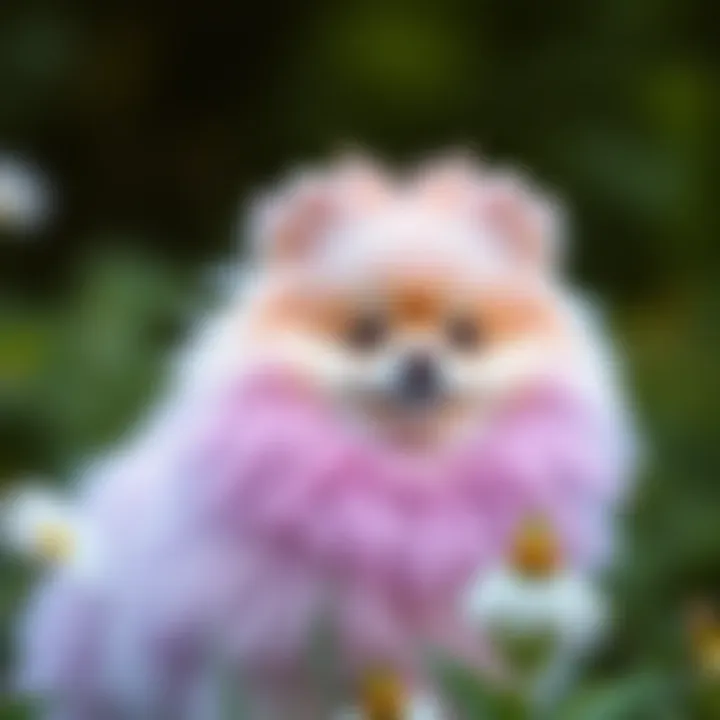
The lavender Pomeranian stands out not just because of its unique coloration, but also due to its endearing personality. Pet owners who delve into the characteristics of this breed often find themselves enchanted by its playful demeanor and fluffy appearance. Understanding this particular variant of the Pomeranian involves going beyond mere visuals. Here, we explore the genetic nuances behind the lavender hue, delve into its physical traits, and discuss important care and health considerations.
Animal Overview
Common Name and Scientific Classification
The lavender Pomeranian belongs to the canine family and is classified as Canis lupus familiaris. This particular variant, while part of the broader Pomeranian breed, boasts a distinctive lavender fur that is a product of genetic variation.
Physical Characteristics
The lavender Pomeranian boasts a coat that resembles the soft hues of blooming lavender fields. Typically, these dogs have:
- Fuzzy, double-layered coats: Offering not just beauty but also warmth.
- Bright, expressive eyes: Often dark in contrast to their coat, capturing attention with their lively sparkle.
- Compact bodies: These small dogs usually weigh between 3 to 7 pounds, fitting snugly in your arms.
In addition to coat color, they exhibit the signature fox-like faces of Pomeranians, further endearing them to families seeking a companion.
Habitat and Distribution
Originally hailing from the Arctic regions, the Pomeranian breed has evolved to adapt to domestic environments. As a breed, they effortlessly transition from lively playtime outdoors to a cozy lap dog at home. Lavender Pomeranians, like their traditional counterparts, flourish in a variety of settings—from spacious homes with yards to modest apartments, as long as they receive adequate exercise and mental stimulation.
Behavior and Social Structure
Communication Methods
Lavender Pomeranians communicate through a combination of barking, body language, and facial expressions. A gentle wag of the tail might signal excitement, while a low growl could indicate discomfort or protectiveness. Understanding these cues can greatly enhance the bond between owner and dog.
Social Hierarchies
Being highly social creatures, lavender Pomeranians often establish strong relationships within their household. They are known for:
- Forming bonds with family members, displaying loyalty and affection.
- Interacting well with other pets, albeit with a cautious approach initially.
Mating and Reproductive Behavior
Reproduction in lavender Pomeranians follows the usual canine cycle, with females coming into heat approximately twice a year. It is crucial for pet owners to be aware of spaying and neutering options in order to manage population growth and ensure health benefits for their pets.
Grooming Needs and Health Considerations
Lavender Pomeranians require regular grooming to maintain their stunning coats. Brushing several times a week helps prevent matting and reduces shedding, a crucial task that every owner should take to heart. Additionally, these dogs may be prone to certain health concerns, such as dental issues and joint problems, making regular vet visits essential.
Key Takeaway: The lavender Pomeranian is more than just a pretty face. Their charming traits, familial bonds, and grooming necessities call for committed owners who appreciate both their aesthetic and their spirited nature.
For more information on proper care and health advice on this breed, resources such as American Kennel Club and Veterinary Partner can be highly beneficial.
"Understanding and nurturing the unique traits of the lavender Pomeranian can lead to a rewarding companionship."
Foreword to Lavender Pomeranians
The lavender Pomeranian, a delightful variant of the traditional Pomeranian breed, garners interest not just for its striking hues but also for its endearing persona. As a potential pet owner or simply an enthusiast, grasping the essence of lavender Pomeranians is essential. They are more than just a pretty face; these dogs have a rich history, a unique genetic background, and distinct temperamental qualities that set them apart.
Understanding the allure of lavender Pomeranians delve beyond mere aesthetics; it intertwines with aspects like their breeding, care strategies, and health implications. This part of the article serves as a gateway to exploring their charm and significance within the broader spectrum of canine companionship.
Understanding the Pomeranian Breed
To appreciate the lavender variant, one must first understand the Pomeranian breed itself. Known for their fluffy coats, lively demeanor, and fox-like features, Pomeranians are toy breed dogs that originally descended from larger Spitz-type breeds, resembling tiny lions with their plush fur and extroverted behavior.
Often characterized as bold and spirited, Pomeranians exhibit a curious nature that keeps their owners on their toes. They are known to be excellent companion animals but also require appropriate socialization and training to mitigate any potential stubbornness that may arise. Owners should be ready to engage both mentally and physically with these active dogs, ensuring they thrive in their environment. As family pets, they often bond closely with their humans, exhibiting loyalty and affection that warms even the coldest of hearts.
The Appeal of Lavender Coating
Lavender Pomeranians stand out not only for their vivacious character but also for their unique coloration, which is a diluted version of the standard orange seen in typical Pomeranians. The lavender hue, a soft purple, evokes a sense of serenity and charm.
This distinctive coloration doesn’t just make them visually splendid; it also carries an air of originality and individuality. For many, owning a lavender Pomeranian feels like a personal statement—a reflection of one's taste and appreciation for the unconventional.
Apart from aesthetic factors, the lavender coloring highlights the beauty in genetic diversity within the breed, making it a topic of interest not only for pet owners but also for breeders and dog enthusiasts alike. The lavender coat serves as an entry point into deeper explorations of genetics, responsible breeding practices, and the attributes that make each Pomeranian unique.
In essence, lavender Pomeranians symbolize a blend of visual allure and complex background that catapults them to a position of fascination among dog lovers globally.
Genetics Behind Lavender Coating
Understanding the genetics behind the lavender coat color in Pomeranians provides insight not only into the aesthetics of this breed but also into the complexities of canine breeding. The lavender hue is the result of a specific combination of genes, and it has become a notable talking point in breed discussions akin to a rare gem being discovered in a pile of stones. Knowing how these colors arise can guide breeders who aspire to develop or maintain lavender traits while ensuring the overall health of the breed.


The lavender Pomeranian is distinguished not just by its looks; it symbolizes a pursuit of unique genetics that appeal to a segment of dog enthusiasts. This can influence both pet ownership trends and breeding practices. Pet lovers are often drawn to distinct traits, which can make these dogs not just companions but also cultural icons in certain circles. Thus, understanding the genetic foundation becomes crucial for anyone involved with Pomeranians.
Color Variations in Pomeranians
Pomeranians showcase a rainbow of colors, ranging from the classic orange and black to rarer shades like lilac and, of course, lavender. Lavender Pomeranians exhibit a dilute form of the black pigment known as eumelanin, which contributes to their appealing appearance.
- Colors Found in Pomeranians:
- Orange
- Black
- Sable
- Cream
- Blue
- Chocolate
- Lavender
Each color not only reflects a different genetic makeup but can also impact traits such as personality and behavior, even though these traits are influenced by many factors including upbringing. The lavender shade, in particular, stands out in social settings, whether in a dog park or on platforms like Instagram where unique appearances garner attention.
The Science of Coat Color Genetics
To dive deeper into the science, the genetics of coat color in dogs is primarily governed by a few key genes. The Agouti gene plays a critical role in determining the distribution of black and yellow pigments. Meanwhile, the dilution gene is responsible for the lighter colors like lavender. The interplay of these genes can be complex, but understanding their functions sheds light on how breeders select for specific traits.
A few notable genes include:
- A (Agouti gene): Determines the distribution of pigmentation across the coat.
- B: Influences the type of black pigment produced.
- D: The dilution gene that lightens the coat color.
Knowing about these genetic principles ensures prospective breeders approach their practices with an informed perspective which can significantly affect the outcome of future generations.
Breeding for Lavender Traits
Breeding for lavender traits is not merely a matter of pairing two lavender Pomeranians; it requires understanding the wider genetic framework that underpins coat color. Successful breeding requires extensive planning and a commitment to maintaining breed standards.
When two carriers of the dilution gene are paired, there's a chance that their puppies may inherit the lavender coat. However, pitfalls exist. Breeders need to keep a keen eye on health issues that can arise from inbreeding, as maintaining diversity is essential for the vigor of any breed.
Considerations for breeders include:
- Health Screening: Conduct genetic tests to rule out common health issues.
- Lineage Tracking: Understand the genetic history of both parents to avoid undesirable traits.
- Market Awareness: Stay informed about industry interest in specific traits and colors, ensuring breeding aligns with healthy practices.
Physical Characteristics of Lavender Pomeranians
The physical traits of Lavender Pomeranians are essential in defining their overall charm. From their coat to their size, each characteristic contributes to what makes them unique and appealing to many. Understanding these features helps prospective owners determine if this breed aligns with their lifestyle and expectations.
Distinctive Coat Texture
The coat of a Lavender Pomeranian is not only visually striking but also serves functional purposes. Generally, these dogs possess a double coat, consisting of a dense undercoat and a longer outer coat that often exhibits a soft and fluffy texture. This combination provides both insulation and protection from varying weather conditions. It’s crucial for potential owners to recognize that this breed requires regular grooming to keep their coat healthy and looking its best. Without proper attention, the coat may mat, leading to discomfort for the dog. Additionally, the texture plays a role in how light reflects off the lavender hue, making it appear almost ethereal at times.
Typical Size and Weight Range
When it comes to size, Lavender Pomeranians usually fall within the standard range for the breed, which is around 7 to 12 pounds. In terms of height, they typically stand about 8 to 12 inches at the shoulder. This petite size can be advantageous for people living in smaller apartments or homes. However, it's important to remember that the Pomeranian breed can have some variations; some individuals may be on the larger side, while others may be more diminutive. Keeping an eye on their weight is critical, as obesity can lead to several health complications. Owners should balance diet and exercise to maintain their pup's healthy stature.
Facial Features to Note
The facial structure of Lavender Pomeranians holds its own charm. Their expressive eyes, which often sparkle with mischief, are usually dark brown and provide a stark contrast to their coat. The small, pointed ears are well-set, and they tend to have a broad muzzle that enhances their overall appearance. One distinctive feature is their rich facial expression, which often reflects a combination of curiosity and playfulness. These features not only contribute to their looks but also enhance their ability to form bonds with humans. Proper socialization from an early age helps maintain this positive demeanor by exposing them to various situations and people.
In summary, understanding the physical characteristics of Lavender Pomeranians offers deep insight into what makes these dogs so special. From their remarkable coat texture to their charming facial features, every detail contributes to their allure. For those considering adding one to their family, it’s important to take into account these attributes and how they might fit into your lifestyle.
"The true beauty of a Lavender Pomeranian lies not just in its appearance but in the joy it brings to those around it."
For more information on dog breeds, you can visit The American Kennel Club or check out Wikipedia's page on Pomeranians.
Temperament and Behavior
Understanding the temperament and behavior of Lavender Pomeranians is vital for anyone considering bringing one of these delightful dogs into their lives. The way a dog behaves directly impacts not just its well-being but also the harmony in a household. In the case of a Lavender Pomeranian, their unique temperament is influenced by both their genetics and social experiences, which is why a thorough grasp of these elements is crucial.
Personality Traits of Lavender Pomeranians
Lavender Pomeranians, like their more traditionally colored counterparts, are known for their lively disposition. Their personality is often characterized by a mix of silliness and sweetness, radiating charm that’s hard to resist. They can be quite confident and sometimes feisty, exhibiting a strong-willed nature. A close-knit bond with families is common, as these pets often form attachments and may display a protective streak.
Key personality traits include:
- Playful: Always ready for a game or a good chase.
- Affectionate: Enjoys cuddles and being close to humans.
- Curious: Loves exploring their environment and investigating new sights and smells.
- Intelligent: Quick learners, which can be both an asset and a challenge when it comes to training.
It's worth noting that their charming demeanor can make them easily spoilable, leading to some behavioral quirks like excessive barking or stubbornness. This is why understanding their personality traits is essential for prospective owners.
Socialization Needs
Lavender Pomeranians are social creatures. Like a good cup of coffee, they do best when mixed in with their surroundings. Early socialization is paramount to ensuring a well-adjusted adult dog. Introducing them to a variety of people, dogs, and different environments can significantly mitigate fears and aggressiveness that can develop without proper exposure.
Effective socialization methods include:
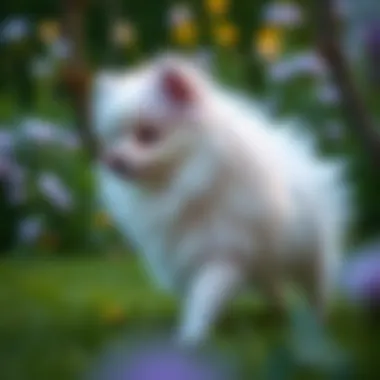

- Scheduled play dates: Encourage them to interact with other dogs.
- Visiting dog-friendly places: Taking strolls in parks or busy streets introduces them to varied stimuli.
- Training classes: Not just for learning commands but for interacting with other dogs and people in a structured environment.
These actions will help lay a foundation for a Lavender Pomeranian that is both confident and adaptable, paving the way for easier integration into family life.
Training Considerations
Training a Lavender Pomeranian requires patience and consistency. Given their intelligence, they quickly grasp commands, but their independent streak means they also enjoy a good challenge. This could translate into some management headaches if not approached correctly. For many owners, establishing a routine that includes commands, tricks, and even agility training can be very beneficial.
Key training tips include:
- Positive reinforcement: Use treats and praise to encourage desirable behavior. It works wonders.
- Short sessions: Pomeranians have short attention spans, so keep training sessions brief but frequent.
- Consistency in commands: Ensuring all family members use the same commands avoids confusion.
Additionally, training is not merely about commands. It’s a bonding experience that enhances trust between the Lavender Pomeranian and its human companions. Keeping the training light-hearted and engaging often leads to the best results, making it a win-win situation both for the dog and the owner.
In summary, understanding the temperament and behavior of Lavender Pomeranians is vitally important not just for training and care but also for fostering a harmonious relationship within the family. By acknowledging their unique traits, proactive owners can create a training regime that not only shapes well-behaved dogs but also strengthens the bond between them and their humans.
Health Considerations
Understanding the health considerations specific to lavender Pomeranians is crucial for any potential owner. Just like any other breed, lavender Pomeranians come with their own unique set of health concerns. Being aware of these issues not only helps in preventing potential health problems but also enhances the quality of life for these adorable companions. Let’s delve deeper into common health issues, preventive care measures, and nutritional needs that can be paramount in sustaining a healthy lavender Pomeranian.
Common Health Issues
Lavender Pomeranians can be prone to several health issues that might hinder their happiness and well-being. Some of the most prevalent issues include:
- Dental Problems: Due to their small mouths, Pomeranians often experience overcrowded teeth, leading to various dental issues. Regular dental check-ups and home care are necessary to keep those pearly whites in good shape.
- Luxating Patellas: This condition occurs when the kneecap dislocates from its normal position. Regular exercise and maintaining an appropriate weight can significantly reduce the risk.
- Hypoglycemia: Especially common in young Pomeranians, low blood sugar can lead to lethargy or even seizures. Regular feeding and monitoring can help manage it effectively.
- Thyroid Disorders: These can result in weight gain or loss, lethargy, and skin problems. Regular vet check-ups can aid in early detection and treatment.
It’s important to keep an eye on any unusual behaviors or symptoms and consult a veterinarian when necessary. As the saying goes, "an ounce of prevention is worth a pound of cure." Knowing these health issues can help owners better prepare and care for their lavender Pomeranians.
Preventive Care Measures
Prevention is often the best medicine when it comes to maintaining health. Here are some effective ways to ensure your lavender Pomeranian stays in tip-top shape:
- Regular Veterinary Check-Ups: Scheduling annual or biannual visits to the vet can help catch health issues before they become serious. Vaccinations and screenings are vital in keeping your pet happy and healthy.
- Dental Hygiene: Incorporating dental care into your pet’s routine can prevent severe dental diseases. Brushing their teeth and providing dental chews can make a world of difference.
- Exercise and Mental Stimulation: These energetic little dogs need daily exercise to maintain a healthy weight and energetic spirit. Simple games like fetch or even walks around the neighborhood can do wonders. Stimulating their minds with puzzles or training can also help keep them sharp.
- Weight Management: Keeping your lavender Pomeranian at a healthy weight not only prevents joint problems but also contributes to overall well-being. Each pampered pup should have a diet tailored to their needs.
Incorporating these preventive measures will go a long way in ensuring your lavender Pomeranian has a long, healthy life.
Nutritional Needs for Optimal Health
Nutrition plays a pivotal role in maintaining the health of lavender Pomeranians. A balanced diet can prevent many common health issues. Notably:
- High-Quality Dog Food: Always choose a kibble that lists real meat as the first ingredient. Ingredients to look for include chicken, beef, or lamb. Avoid fillers like corn or soy for optimal health.
- Portion Control: Keeping an eye on portion sizes can help prevent obesity, which is a growing concern among small breed dogs.
- Hydration: Ensuring your Pomeranian always has access to fresh water is essential. Dehydration can lead to serious health issues, especially in small breeds.
- Fat Content: Monitor fat content in their food as too much can lead to weight gain. Most Pomeranians should have a diet that consists of 20% to 30% fat.
In nourishing lavender Pomeranians correctly, owners can support long-lasting health and vitality. Nutrition is one of the pillars that support their overall well-being—and it can’t be overlooked in any pet care plan.
"An animal’s eyes have the power to speak a great language." Caring for your lavender Pomeranian's health isn't just about addressing issues as they arise; it’s about embracing preventive actions and proactive strategies to ensure they lead a joyful and energetic life.
Grooming Requirements
Grooming is more than just a beauty routine for Lavender Pomeranians; it is a crucial aspect of their overall health and wellbeing. Proper grooming practices can help prevent common health issues related to their distinctive coat, while also enhancing their unique appearance. The lavender coat, with its beautiful hue and soft texture, deserves special attention. Regular grooming not only keeps their coat looking sharp but also allows for moments of bonding between the dog and the owner. This section will help emphasize essential grooming elements, beneficial practices, and important considerations to keep your lavender companion happy and healthy.
Daily Grooming Practices
In the realm of dog care, daily grooming is akin to brushing your teeth every morning—it just needs to be done regularly. For Lavender Pomeranians, a quick daily brush can work wonders. Using a slicker brush, which is great for removing loose hair, tangles, and dirt, you can ensure that their coats stay free of mats.
Here are key daily grooming practices:
- Brush Daily: Five to ten minutes is often enough. This not only keeps their coat neat, but also distributes natural oils that enhance the coat's shine.
- Inspect the Coat: While brushing, check for any skin issues, ticks, or mats. Early detection is key to avoiding larger problems.
- Clean Ears Regularly: A damp cloth to gently wipe the ear flaps helps prevent buildup. Always be cautious with the ear canal—never insert anything too deep.
Daily grooming doesn’t have to be a time-consuming task. Rather, it can be a part of your routine that both you and your lavender Pomeranian look forward to.
Seasonal Coat Care
When seasons shift, so does the grooming requirement for Lavender Pomeranians. During spring and fall, they tend to shed more heavily—often termed ‘blowing coat’. This is the time when seasonal coat care is paramount. Here’s what to keep in mind:
- Increased Frequency of Brushing: Up the brushing game to every day during heavy shedding periods. This helps manage the fur around the house while keeping your pup comfy.
- Bathing Frequency: It’s typically recommended to bathe your lavender Pomeranian every four to six weeks. However, when their coat gets muddied from outdoor play, don’t hesitate to give them a bath sooner, especially with a gentle dog shampoo.
- Monitor Skin Health: During changes in weather, pay attention to any dryness or irritation. Seasonal changes can affect skin moisture, and ensuring adequate hydration through baths is key.
Staying ahead of seasonal changes will make grooming less of a chore and more of a routine that fits your lavender Pomeranian's lifestyle.
Professional Grooming: Worth the Investment?
When deciding whether to hire a professional groomer, consider your own grooming skills and the time you can commit. With the unique coat of Lavender Pomeranians, some owners find professional grooming beneficial. Here are a few points to ponder:
- Expert Handling: Professional groomers know how to manage breed-specific needs such as trim styles that suit their coat. They use specialized tools that can make the process quicker and more efficient.
- Deep Cleaning Services: A professional groomer often provides services like deep cleaning of the coat and skin treatments that might be harder to replicate at home.
- Regular Schedule: Setting up a regular grooming schedule with an expert can keep your Pomeranian looking sharp. Many owners find that consistent grooming helps reduce matting and shedding.


However, it’s worth noting that not everyone may need this service. If you enjoy grooming your lavender Pomeranian and have the time, sticking to at-home strategies can be both satisfying and cost-effective.
"A well-groomed dog is a happy dog; make grooming a part of your routine for better health and bonding."
For more detailed information about dog grooming practices, consider checking websites like American Kennel Club or PetMD.
Living with a Lavender Pomeranian
Bringing a Lavender Pomeranian into your home is akin to adding an intriguing chapter to the book of your life. These lively companions offer unique joys and their own set of challenges, requiring potential owners to understand their specific needs and habits. Living with one is not just about the dog’s delightful appearance but also about creating an environment where they can thrive emotionally and physically.
Ideal Living Conditions
For the Lavender Pomeranian to flourish, understanding and providing ideal living conditions is paramount. These dogs generally do well in both apartments and smaller homes as long as there is enough space for them to romp around. It's important to note that while they are small, they are energetic and playful. Here are some considerations for their living environment:
- Space to Play: A small yard or even a living room with ample space can suffice. Nevertheless, regular walks in open areas are essential for their physical and mental well-being.
- Safe and Stimulating Environment: They are curious critters. Ensure that your home is dog-proofed to prevent them from getting into trouble. This includes hiding electrical cords, keeping toxic plants out of reach, and securing small items that could pose a choking hazard.
- Comfy Spaces: These pups enjoy their comforts. Providing cozy blankets and designated resting areas can make them feel safe and at home.
In essence, the living space needs to be a blend of safety, stimulation, and comfort. Creating such conditions paves the way for a happy little Lavender Pomeranian.
Integrating into Family Life
Introducing a Lavender Pomeranian to family life can be a rewarding experience. These dogs are known for their lively disposition, making them wonderful companions for families of all sizes. Their ability to adapt often depends on how they are integrated into the household. Important aspects include:
- Gradual Introduction: When bringing a Lavender Pomeranian into your home, it’s wise to introduce them slowly to each family member. This helps to minimize stress for both the dog and the individuals involved.
- Teaching Respect: Instilling good manners in a Lavender Pomeranian not only promotes their well-being but also ensures harmony within the family. Educating children on respectful interactions with pets is essential. For instance, showing them how to recognize when a dog needs space can create a more peaceful coexistence.
- Routine and Structure: Pomeranians thrive in environments where they understand expectations. A consistent schedule for feeding, walks, and playtime helps them to feel secure and supported.
In a nutshell, a Lavender Pomeranian can become an integral part of family life, but it requires effort from everyone involved for smooth integration.
Travel Considerations
Traveling with a Lavender Pomeranian can open up new experiences, but it also entails planning to ensure their comfort and safety. Here are a few key considerations:
- Transportation: Depending on the mode of travel, proper guidelines need to be followed. In a car, use a secure pet carrier or harness to keep them safe.
- Accommodation: Not all hotels or lodgings are pet-friendly, so it’s prudent to verify if they accept dogs before booking. Look for places that also provide amenities for canine guests.
- Health Precautions: When traveling, ensure that your Lavender Pomeranian is up-to-date on vaccinations. Carry any necessary documents, such as vaccination records, just in case.
- Packing Essentials: It’s smart to pack food, water, and familiar toys. Keeping their routine as consistent as possible will ease anxiety during travels.
Traveling with a Lavender Pomeranian can be an enriching experience, bringing a sense of adventure to both you and your pet. However, preparation is key to avoid unnecessary stress.
"A Lavender Pomeranian isn’t just a pet; they become a cherished part of the family, bringing joy and companionship wherever life takes you."
By fostering a well-suited living environment, effectively integrating them into your family, and preparing for travels, you will undoubtedly set the stage for a fulfilling relationship with your Lavender Pomeranian.
The Lavender Pomeranian in Popular Culture
The lavender Pomeranian has carved out a niche for itself in popular culture that extends beyond mere pet ownership. This section uncovers how these charming dogs have left their paw prints on media, social platforms, and even in everyday discussions among dog enthusiasts. Embracing the lavender Pomeranian in popular culture serves not only to celebrate their unique characteristics but also connects owners and admirers to a broader community sharing their passion.
Representation in Media
From movies to television shows, lavender Pomeranians have made a splash, often appearing in roles that accentuate their adorable, fluffy appearance. A notable instance is the increasing number of dog shows where lavender Pomeranians have been featured, capturing hearts with their unique looks and personalities. Their shimmering lavender coats often become a central focal point, lending a fresh twist to the standard golden or black coats associated with many breeds.
Moreover, documentaries focusing on dog breeds sometimes highlight the lavender variant, educating audiences about its distinctive traits and enriching the viewers' understanding of coat genetics. With their whimsical demeanor, these dogs embody the charm that directors often seek to invoke, making them perfect companions for lighthearted storylines. In a world where the little things can leave a big impact, lavender Pomeranians certainly shine on screen.
Social Media Influence
In the age of social media, where the sheer visual appeal can catapult a pet to stardom, lavender Pomeranians stand tall. Instagram and TikTok are littered with captivating accounts created by dedicated owners that showcase their lavender Pomeranians engaging in everything from daily antics to playful training sessions. Posts featuring these dogs greet users with waves of likes, and hashtags such as #LavenderPomeranian and #PomeranianLove generate a sense of community.
The visual allure of these dogs caught in candid moments or cheeky poses draws in admirers from all walks of life. Their presence on social platforms sparks engagement, where followers often share grooming tips or training advice, creating a robust network of lavender Pomeranian advocates. In essence, the digital realm amplifies the breed’s charm while fostering connections among fellow pet lovers.
Notable Lavender Pomeranians
There are several lavender Pomeranians who have gained recognition, captivating audiences with their unique appeal. For instance, a popular lavender Pomeranian named Bella has garnered a large following with her vibrant personality and an engaging online presence. These internet celebrities not only showcase the irresistible nature of the breed but also pave the way for lavender Pomeranians to gain more attention in pet circles.
Notably, such Pomeranians have been influencers in raising awareness about breed-specific traits and care. As families consider bringing one into their homes, these prominent figures offer a glimpse into the life with a lavender Pomeranian, fleshing out both challenges and rewards. Essentially, these notable dogs bridge the gap between simple admiration and informed ownership, empowering potential pet parents to make educated decisions about their future companions.
"The portrayal of lavender Pomeranians in popular culture plays a crucial role in shaping perceptions and increasing the desirability of this unique breed."
By exploring the lavender Pomeranian's cultural presence, we recognize not just their charming appearance but the narratives they build and the communities they foster. The influence in media, social networks, and the existence of notable individuals in this breed underscore the link between pet ownership and cultural engagement, enhancing depth in understanding and appreciation of these delightful companions.
The End
As we draw the curtains on our exploration of the lavender Pomeranian, it is vital to understand not just the unique attributes of this breed but also the responsibilities that come with owning one. The lavender Pomeranian is more than just a pretty face; it embodies a richness in genetics, temperament, and care requirements that all prospective owners should take to heart.
Recap of Key Points
First and foremost, we have seen how the lavender coat color is not merely a cosmetic novelty. It is tied intricately to specific genetic factors that can influence other traits in the breed. Understanding this can aid in making informed breeding decisions or the right choices when adopting a lavender Pomeranian.
- Genetic Background: The lavender hue arises from a specific dilution gene, making it a rare variant among Pomeranians.
- Physical Characteristics: We discussed how their distinct coat texture and compact size contribute to their charming, fluffy appearance.
- Temperament: Lavender Pomeranians, like their traditional counterparts, possess an energetic and loving disposition that can bring joy to any household.
- Health and Care: An overview of common health issues and preventive care highlighted the importance of regular vet check-ups to ensure the long-term well-being of these dogs.
- Grooming Needs: Maintaining their coat requires diligence, with specific strategies for grooming mentioned to keep them looking their finest.
- Integration into Family Life: These dogs thrive in social settings, and understanding their needs is crucial for integrating them successfully into family life.
Final Thoughts on Ownership
Owning a lavender Pomeranian can be a rewarding experience filled with love and companionship. However, potential owners must consider their lifestyle and ability to meet the needs of such a vibrant breed. While the lavender coloration is indeed alluring, the focus should also be on responsible ownership, which includes ongoing training, regular exercise, and socialization.
In addition, being part of an informed community sharing insights can enhance the experience. Resources such as the American Kennel Club (akc.org) and specialized online forums like reddit.com/r/Pomeranians can provide valuable information and support.
Ultimately, the lavender Pomeranian represents not just a dog with a unique coat but a new family member that enriches the lives of those around it. Those who choose to welcome this delightful breed into their homes will find that their distinctive beauty marries well with a playful spirit, making each day with a lavender Pomeranian a unique adventure.