Natural Solutions to Get Rid of Fruit Flies
Intro
Fruit flies at times can feel like an uninvited guest that just doesn't want to leave. They buzz around, and despite your best efforts, they multiply faster than you can say "not again!" Understanding these pesky little critters is the first step towards reclaiming your space. This guide will take you through natural methods to effectively eliminate fruit flies, focusing on strategies that are not only effective but also environmentally friendly.
Animal Overview
Common Name and Scientific Classification
The common name for these insects is Drosophila melanogaster, often referred to as the fruit fly. In various parts of the world, they may be casually known as vinegar flies or pomace flies, adding to their local identity. Scientifically, they belong to the family Drosophilidae, which includes a diverse array of species, but it’s the D. melanogaster that’s most notorious in homes and kitchens.
Physical Characteristics
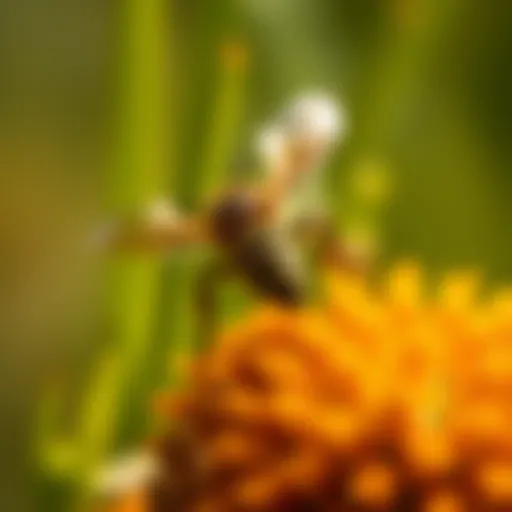
Fruit flies are relatively small, usually measuring about 3 to 4 millimeters in length. Their bodies are typically a pale tan or light brown, adorned with striking red eyes. You might not think much of their appearance at first, but these tiny details play a significant role in their identification, particularly when you’re trying to pinpoint the source of an infestation. The wings are slightly translucent, and the abdomen may have dark stripes, making them a tad more recognizable.
Habitat and Distribution
These flies thrive in environments rich in fermenting fruits and organic materials, which provide not only food but also breeding grounds. Commonly found in kitchens, fruit markets, and even breweries, they have spread across the globe, easily hitching rides on produce transported from one place to another. Ideal temperatures for them hover around 20 to 30 degrees Celsius.
Behavior and Social Structure
Communication Methods
While fruit flies may not converse like humans, they are acutely aware of their surroundings and communicate mainly through pheromones. The males send out chemical signals to attract females, a behavior that’s crucial in their mating rituals. If you’ve ever noticed a swarm of them around an overripe banana, well, it’s like a loud and flashy invite to the party!
Social Hierarchies
Interestingly, fruit flies don’t exhibit complex social structures as seen in many other species. They don’t form colonies or have leaders. Their interactions mainly revolve around mating and food—essentially a more straightforward life formed around basic biological needs.
Mating and Reproductive Behavior
Mating happens quickly; it’s often completed within minutes. Females can lay hundreds of eggs at a time, typically embedded in rotting fruit, where the larvae will later thrive. This ability to multiply rapidly is a key reason why a small infestation can quickly blow up into a full-blown situation.
Conservation Status
Current Population Trends
While fruit flies are not endangered, they are certainly prolific. Their adaptability allows them to thrive in various environments. Best considered pests, their population can grow exponentially, becoming a nuisance in a short period.
Threats and Challenges
The biggest challenge they pose is to crops and stored foods. In agricultural settings, they can affect the quality of fruit, leading to significant losses. On the other hand, their natural predators are not always enough to control their populations effectively, especially in urban settings.
Conservation Efforts and Success Stories
Efforts to manage fruit fly populations often focus on biological control methods. For instance, releasing parasitic wasps has shown promising results in agricultural practices. Learning about these techniques can provide perspectives on managing pests rather than eradication, emphasizing cohabitation where necessary.
For further reading on managing fruit flies naturally, consider checking out Wikipedia's Drosophila melanogaster.
Understanding Fruit Flies
Understanding fruit flies is crucial for effectively tackling infestations. These tiny insects, though often viewed as mere nuisances, pose significant challenges to both households and broader agricultural systems. Grasping the biology and behavior of fruit flies helps in more than just eliminating them; it lays the foundation for long-term control and prevention. By gaining insight into their habits, readers can not only address current problems but also thwart future outbreaks in an eco-friendly manner. This section will delve into the essential aspects of fruit flies that are vital for anyone looking to keep their spaces fly-free.
Biology and Characteristics
Fruit flies, particularly the species Drosophila melanogaster, are about 1/8 of an inch in length and can be recognized by their distinct red eyes and brownish color. These flies possess compound eyes that provide them with a broad perspective of their surroundings, aiding in their evasive maneuvering. Interestingly, they possess a keen sense for fermenting materials, which is what attracts them to ripe or overripened fruit.
Their bodies are built for rapid movement, with wings that beat at impressive rates. A notable feature is their ability to fly in quick bursts, making them difficult to catch by hand. The reproductive capability of fruit flies is remarkable as well. A single female can lay up to 500 eggs, primarily on decaying fruits, which ensures a swift population growth if not managed.
Life Cycle of Fruit Flies

The life cycle of fruit flies is short but impactful, consisting of four main stages: egg, larva, pupa, and adult. The entire cycle can be completed in as little as a week under optimal conditions.
- Egg Stage: After mating, a female lays her eggs on or near waste materials—often fruits. Each egg hatches within a day, signaling the start of the larval phase.
- Larval Stage: The larvae emerge, feeding on the decaying fruit for about four days. It's during this period that they grow rapidly, shedding their skins several times.
- Pupal Stage: Following the larval period, they enter a pupal stage, during which they transform into adult flies. This stage lasts around four days.
- Adult Stage: Adult fruit flies emerge ready to breed, continuing the cycle. Their quick reproduction cycle makes them particularly challenging to manage.
With this knowledge, strategies for elimination can be tailored to disrupt the life cycle at different stages, ensuring a more effective approach.
Common Types of Fruit Flies
Not all fruit flies are the same, and recognizing the different types can assist in identifying and mitigating specific infestations. The most common varieties include:
- Common Fruit Fly (Drosophila melanogaster): Often found in homes, attracted to a variety of decaying fruits.
- Vinegar Fly (Drosophila acutilabella): Similar in appearance, but prefers vinegar as a breeding ground, often linked to less ripe fruit.
- Mediterranean Fruit Fly (Ceratitis capitata): A more significant agricultural pest, affecting numerous crops.
- Olive Fruit Fly (Bactrocera oleae): Known to impact olive trees, this species is particularly harmful to olive production.
Familiarity with these species can aid effective management strategies tailored to specific flies, enhancing overall results in efforts to eliminate them.
The Root of the Problem
Understanding the root cause of fruit fly infestations is crucial in effectively managing and eliminating these pests. At first glance, one might think that simply swatting the flies away or relying on synthetic pesticides will do the trick. However, what’s often overlooked is the necessity of comprehending the underlying elements that contribute to these unwelcome visitors. In this section, we dive into the details that many may take for granted, offering insights that can genuinely empower households and businesses to take proactive measures against fruit flies.
Identifying Fruit Fly Infestations
Detecting fruit fly infestations can sometimes be as easy as spotting a few errant flies buzzing around your kitchen. However, these nuisances often signal a much larger problem. To properly identify an infestation, one's senses are typically engaged. It is essential to look for potential breeding grounds, which are often overlooked items in the home. Check for overripe or rotting fruits, vegetables, and even uncontained leftovers; these are all prime targets for fruit flies. Signs of ripe fruit can include a musty smell or visible tiny spots where the fruit is starting to deteriorate. Additionally, fruit flies enjoy damp spaces, so areas near drains or garbage disposals should not be neglected.
Consider setting up a simple observational strategy to track these flies. For instance, placing a sticky note near fruit-bearing areas might help you notice how often they're flying around. By keeping a close eye and identifying patterns, you can ascertain the scope of the infestation quickly.
Understanding Attractants
Awareness of what attracts fruit flies is fundamental to preventing infestations. These pests have a keen sense of smell and can whiff out a perfect feast from quite a distance. The major attractants include:
- Ripened or rotting produce: Just a single piece of fruit left unattended can act as a magnet for fruit flies.
- Fermenting products: Open containers of beer, wine or vinegar are also highly appealing to them.
- Sugary residues: Even sticky spills on counters can entice these flies to hang around.
- Organic waste: Differentiating between edible and non-edible waste bears significant importance. Fruit flies are drawn to organic materials, including crusts of bread or fruit peels often discarded in trash bins.
Being vigilant about food sources can substantially reduce the likelihood of attracting these pests, as they will not find what they’re seeking.
Conditions Favoring Breeding
The breeding habits of fruit flies can lead to rapid population growth, making it imperative to understand how these conditions foster their presence. Fruit flies require specific elements to thrive, such as:
- Moist environments: High humidity is a boon for their development. Damp areas, especially around sinks or near food waste, could potentially become breeding grounds.
- Warm temperatures: Fruit flies are fond of warmth. Keeping your home at an elevated temperature during the summer months might encourage these pests to breed.
- Easily accessible food supply: Scavenging becomes easy when fruit flies find multiple food sources in proximity to where they lay their eggs. This can also include spoilage in compost heaps or organic waste when not covered.
Natural Prevention Strategies
The battle against fruit flies often begins long before they invade your home. Prevention is not only easier but also more effective than attempting to eliminate an established infestation. In this section, we’ll focus on how natural prevention strategies can empower you to maintain a fly-free environment. Understanding the foundational methods for prevention can facilitate a lasting solution, reducing the need for extensive intervention later on.
Proper Food Storage Techniques
It might seem obvious, but proper food storage techniques cannot be overlooked when it comes to keeping fruit flies at bay. These tiny flies are intensely attracted to overripe or rotting fruit, making it crucial to store food materials correctly. Here are several strategies:
- Refrigeration: Keep fruits and vegetables that are ripe in the fridge instead of leaving them out. This simple measure drastically reduces their appeal to fruit flies.
- Sealed Containers: Use airtight containers for pantry items including grains, sugars, and flours. If fruit is not consumed right away, it should be kept in bags or containers that seal tightly.
- Regular Inspection: Examine your kitchen regularly for any forgotten produce. Apples and bananas tend to produce ethylene gas, which can accelerate the ripening of nearby fruit, thereby attracting more flies.
These storage practices not only deter fruit flies but also enhance food safety, minimizing spoilage and maximizing freshness.
Maintaining Clean Spaces
Keeping your home tidy might feel like a chore, but when it comes to preventing fruit flies, cleanliness is next to godliness. Flies are drawn to food residues and organic debris. Here are meaningful actions you can take to maintain clean spaces:
- Wipe Surfaces: After cooking, make it a habit to wipe surfaces. Pay special attention to areas where food particles end up such as countertops, kitchen tables, and behind appliances.
- Dispose of Garbage Properly: Regularly take out the trash and clean the bins. Sealed trash cans can help, but it’s imperative to clean them periodically to avoid lingering smells that attract bugs.
- Reduce Clutter: Clutter can harbor residual food particles and make it difficult to maintain cleanliness. Keeping surfaces clear can help ensure that fruit flies have fewer places to hide.
Establishing a consistent cleaning routine isn’t only about appearance; it’s about fostering an unwelcoming environment for unwanted pests.
Identifying Potential Breeding Grounds
Proactive management involves understanding where fruit flies are likely to breed. These pests can thrive in unexpected places, so vigilance is key. Look out for:


- Drain Cleaning: Organic matter can accumulate in kitchen drains, providing a perfect breeding ground. Consider flushing your drains with a mixture of vinegar and baking soda to maintain clear, clean pipes.
- Leftover Produce: Throw away any fruits or vegetables showing signs of spoilage. Even the smallest piece can be an attractive breeding site.
- Recycling Practices: Ensure that any recycling containers are rinsed out. Residual liquid from containers can act as a breeding environment, attracting fruit flies if left unattended.
Utilizing these strategies fosters an environment less hospitable to pests, allowing you to navigate fruit fly season with minimal hassle.
"An ounce of prevention is worth a pound of cure." By investing in natural prevention strategies, you set the stage for successful fruit fly management.
Implementing these techniques can significantly reduce the likelihood of an infestation, ensuring your space remains fly-free.
For further information on maintaining cleanliness in your kitchen, visit CDC - Food Safety or check USDA - Food Security.
By taking the time to put these natural prevention strategies into practice, you're investing in a longer-term solution to your fruit fly problem.
Natural Traps for Fruit Flies
Utilizing natural traps for fruit flies can significantly aid in controlling their populations without resorting to harsh chemicals. These traps not only draw the pests in but also play a vital role in maintaining a healthier environment. By using household items and ingredients, you can create traps that are effective and safe for your family. Moreover, natural traps are cost-effective and easy to implement. This section will discuss three exceptional trapping methods that can help manage fruit fly infestations effectively while ensuring that the solutions you choose align with your preference for eco-friendly practices.
Vinegar and Soap Trap
The vinegar and soap trap stands out as one of the simplest yet efficient methods to lure and capture fruit flies. Using apple cider vinegar, which has a strong scent that fruit flies find irresistible, is ideal for this trap. Here’s how to create one:
- Ingredients Needed:
- Instructions:
- Placement: Put the trap in areas where you've noticed fruit fly activity, like near fruit bowls or kitchen sinks.
- Apple cider vinegar
- Dish soap
- A jar or a small bowl
- Plastic wrap (optional)
- Pour about an inch of apple cider vinegar into the jar or bowl.
- Add a few drops of dish soap to the vinegar. This soap breaks the surface tension, preventing the flies from escaping once they land on the liquid.
- Optionally, cover the jar with plastic wrap and poke small holes in it. This will create an inviting atmosphere while preventing flies from escaping easily.
This trap effectively attracts and captures fruit flies, making it a reliable choice for fighting these pesky pests in a natural manner.
Wine Trap Method
If you've ever thought about utilizing leftover wine to deal with fruit flies, you're onto something clever. The wine trap method combines a delightful drink with pest control. The fermentation process in wine produces various scents that are highly attractive to fruit flies. To implement this method, follow these steps:
- Ingredients Needed:
- Instructions:
- Placement: Find strategic spots around your home—especially near fruit storage areas—to place your wine traps.
- Red or white wine (your choice!)
- A glass or small bowl
- A piece of paper or plastic wrap (optional)
- Pour some wine into the glass or bowl, ensuring there is enough to submerge the flies attracted to it, but not too much that they can easily float.
- Like the vinegar trap, you can cover the top with plastic wrap and make small holes for the flies to enter.
By utilizing this method, not only are you gaining a chance to dispose of fruit flies, but you're also making good use of leftover wine that might otherwise be wasted.
Fruit Bait Trap Solutions
Fruit bait traps harness the natural attraction fruit flies have to overripe or decaying fruit. This method is as straightforward as it gets and can be tailored based on the fruit you have available:
- Ingredients Needed:
- Instructions:
- Placement: Set these traps in the same areas as above—especially where you've noted fruit fly presence.
- Overripe fruits (bananas or peaches work great)
- A jar or bowl
- Plastic wrap (optional)
- Place the overripe fruit in the jar or bowl, allowing it to release natural odors that fruit flies fancy.
- Cover the jar with plastic wrap, poking holes to permit easy access for the flies.
This method appeals to the natural instincts of the fruit flies, leveraging the very foods they crave to effectively trap them.
Incorporating these natural traps can greatly diminish fruit fly infestations while aligning with an environmentally responsible lifestyle. These methods are simple enough for anyone to create, and they utilize ingredients you might already have in your kitchen.
Alternative Deterrents
When addressing fruit fly infestations, relying solely on traps and preventive measures may not always be sufficient. This is where alternative deterrents come into play. These methods not only complement existing strategies but also provide a natural way to manage these stubborn pests. Incorporating such techniques into your approach can lead to a more sustainable solution for achieving a fly-free space. Using alternative deterrents can help in creating an environment that is unwelcoming to fruit flies while ensuring your home remains safe for your family and pets.
Essential Oils as Repellents
Essential oils have gained recognition as a remarkable solution to deter fruit flies effectively. oils such as lemongrass, lavender, and peppermint are known for their strong scents that fruit flies find repulsive. The beauty of using essential oils lies in their dual purpose: they not only act as repellents but also enhance the aroma of your living space.


To utilize essential oils, here's a simple method:
- Mix 10-15 drops of your chosen essential oil with water in a spray bottle.
- Shake well and spray around areas where fruit flies tend to hover, such as the kitchen or compost bins.
- Check periodically and reapply as necessary.
"Using essential oils not only tackles the pesky flies but also ensures your home smells delightful."
It's crucial to be cautious about the concentration of the oils and to conduct a spot test before applying them on surfaces or fabrics to avoid staining.
Herbal Remedies
Various herbs boast natural characteristics that can repel fruit flies due to their aroma. Herbs like basil, rosemary, and mint can be planted near areas where fruit flies are a nuisance or used as dried leaves to create potpourri.
Incorporating these herbs into your home is simple:
- Grow a small basil plant on your kitchen windowsill. Not only does it deter flies, but it also provides fresh basil for cooking.
- Place a small pouch of dried lavender, mint, or bay leaves in your pantry, where you store fruits and vegetables.
- Consider placing a few sprigs of rosemary near compost areas to keep the flies at bay.
Using herbal remedies not only serves a practical purpose in repelling pests but also beautifies your home environment with nature's essence.
Using Natural Predators
Perhaps one of the most organic methods for dealing with fruit flies is to leverage natural predators. Certain insects can act as a natural form of pest management by preying on fruit flies. This approach might seem unconventional, yet it creates a balanced ecosystem in your home.
- One effective natural predator is the nematode, a microscopic roundworm that targets and feeds on fruit fly larvae.
- Another option is introducing hoverflies, which are known to consume aphids and may also assist in controlling fruit fly populations.
Furthermore, the presence of spiders can help maintain low insect populations, including fruit flies; their webs capture unsuspecting pests. While these solutions might not guarantee swift results, they contribute to a long-term strategy for managing fruit flies naturally.
Long-Term Management of Fruit Flies
Managing fruit fly populations is not just about quick fixes; it’s about developing an ongoing strategy that focuses on prevention and sustainable practices. This section delves into the importance of long-term management in combating fruit flies effectively. Adopting a long-term approach encourages individuals to cultivate habits that make your home or business less appealing to these pests. It emphasizes the need for vigilance and the integration of diverse methods to ensure lasting success in managing fruit fly populations.
Monitoring Techniques
To effectively manage fruit flies over the long haul, monitoring techniques play a pivotal role. Regularly checking for signs of infestations can save both time and frustration down the line. Simple methods include:
- Visual Inspections: Routine checks in kitchens, basements, and any potential breeding sites are essential. Look for droppings or signs of adult flies hovering around neglected areas.
- Sticky Traps: Place these traps around key entry points and spots where you notice fly activity. The traps help in estimating the population and provide visual evidence of fruit fly presence.
- Fruit Temperature Testing: Utilizing temperature sensors can be beneficial. Fruit stored at warmer temperatures becomes more attractive to fruit flies, so keeping an eye on this can help preemptively identify risks.
By employing these monitoring techniques, you can track fruit fly populations effectively, which aids in responding appropriately to any sudden spike in their numbers.
Integrating a Holistic Approach
A holistic approach to fruit fly management goes beyond the mere application of traps and deterrents. It incorporates various elements of prevention, monitoring, and education to foster an environment that naturally deters these pests from infesting your space.
- Cultural Practices: This includes rotational food storage practices—moving fruit and vegetables around to avoid areas that may attract flies. Drying your garden produce soon after harvesting can also reduce breeding opportunities.
- Education: Educate your family about food storage techniques and proper waste disposal. Teaching everyone in the household about potential attractants can create a united front against infestations.
- Combining Methods: Blend various control methods, understanding that the effectiveness of your management plan increases when different strategies complement one another. For example, monitor traps and preventive cleaning can work in synergy to unveil areas needing attention.
Promoting a culture of cleanliness and vigilance in your home or workspace is crucial. Although these strategies require ongoing effort, they ultimately lead to a significant decrease in fruit fly activity, resulting in healthier environments.
"Long-term solutions reveal the strength of simple habit changes."
For a deeper understanding of methods and approaches, you can explore resources such as Wikipedia on Fruit Flies or Britannica's articles on Pest Management for more insights.
The End
In the understanding and practice of managing fruit flies organically, the conclusion serves as a strategic keystone. It emphasizes a holistic view, where prevention, natural traps, and long-term management tilt the scales in favor of effective pest control. Drawing from various methods discussed throughout this article, individuals can effectively reduce the presence of fruit flies while maintaining an environmentally friendly approach.
Summary of Natural Methods
To encapsulate the journey taken in this discourse, natural methods for managing fruit flies encompass several practical strategies. Firstly, the emphasis on proper food storage cannot be overstated. Keeping fruits and vegetables in sealed containers or refrigeration limits accessibility to these pests. Secondly, cleaning one's environment becomes paramount. Regularly wiping down surfaces and disposing of overripe produce creates a less inviting setting for fruit flies. The traps discussed, such as those utilizing vinegar and soap, provide effective means to catch these agile insects without resorting to harsh chemicals. Here's a recap of natural methods:
- Proper food storage: Use sealed containers and refrigerate perishables.
- Cleanliness: Maintain a tidy environment by regularly cleaning surfaces.
- Natural Traps: Use homemade solutions like vinegar traps and wine traps to catch fruit flies.
Furthermore, employing essential oils or natural predators enhances repellence without chemical intervention. Diving deep into these methods emphasizes their benefits, not only in reducing fruit fly numbers but also in reinforcing sustainable living practices.
Encouraging Continuous Learning
Gaining a comprehensive grasp of pest management should not stop with the conclusion of this article. Encouraging an ethos of continuous learning represents a crucial aspect of effective pest control. Fruit flies, like many pests, adapt to their surroundings and the methods used against them. Therefore, staying informed about new research and innovative methods can provide a significant advantage. Engaging with communities, either through forums like Reddit or resourceful sites like Wikipedia or Britannica, can keep one informed about evolving trends in pest management. Moreover, local government resources often provide valuable information and updates relevant to specific regions, making outreach beneficial for community-based management.
Lastly, sharing knowledge within family or community circles can amplify the impact of employing these strategies. Word of mouth, coupled with practical demonstrations, can create awareness and encourage others to adopt these sustainable methods. By fostering a culture of vigilance and education, we not only address the immediate issue of fruit flies but also contribute to broader ecological health.