
Effective Strategies to Soothe No-See-Um Bites
Intro
Encountering no-see-ums can transform a peaceful outdoor gathering into a maddening experience. These minuscule insects, often overlooked due to their size, can deliver bites that lead to persistent itching and irritation. Understanding a bit about these critters is vital to effectively manage their bites. Here, we will explore the multifaceted world of no-see-ums, their behaviors, and ways to find relief from their bothersome bites.
Animal Overview
Common Name and Scientific Classification
No-see-ums, scientifically known as Culicoides, belong to the family Ceratopogonidae. The diversity within the genus means there are many species, each with its own quirks. Their diminutive size, typically ranging from 1 to 5 millimeters, is why they often slip through the cracks—quite literally. Those who’ve been caught by these pests know that their presence is far from inconspicuous when the itch kicks in.
Physical Characteristics
You might be wondering what makes these insects a particularly annoying nuisance. Characteristically, no-see-ums have slender bodies with long, thin legs, often making them look like little specks. Their wings, when spread, can carry a translucent quality that camouflages them against natural backgrounds. Some people liken them to mosquitoes, though their size sets them apart. While mosquitoes can be spotted from a distance, no-see-ums, unless present in swarms, can be quite elusive.
Habitat and Distribution
No-see-ums thrive in warm, humid environments, typically near standing water which serves as breeding grounds for their larvae. Marshes, swamps, and coastal regions provide the rich environment this insect group craves. In North America, they are most prevalent in coastal areas and wetlands during the summer months, when their activity peaks and bug spray becomes essential for any outdoor activity.
Behavior and Social Structure
Communication Methods
The way no-see-ums communicate might be subtle, but it’s crucial for their survival. They use sound and the release of pheromones to signal to one another, especially during mating. The high-frequency wing beats of male no-see-ums can be detected by females, guiding them to potential mates.
Social Hierarchies
While no-see-ums may not exhibit complex societal structures, they do operate within hierarchies during mating seasons. Males often gather together and perform courtship displays to attract females, stirring competition amongst themselves. This hierarchical social behavior is common in the insect world, ensuring that only the most competitive genes get passed down.
Mating and Reproductive Behavior
Reproduction occurs when males seek out females through their unique mating calls. After mating, females lay their eggs near water sources. The cycle continues as the eggs hatch into larvae, setting the stage for the next generation of these biting pests.
Conservation Status
Current Population Trends
Interestingly, while no-see-ums are often not seen as threatened, their population can fluctuate based on environmental conditions. Wetland degradation, a result of human activity, can impact their abundance. Conversely, favorable conditions can lead to surges that make them uncomfortably prevalent in certain areas.
Threats and Challenges
Human intervention often poses the largest threat to their habitats. Urban development, chemical pollution, and climate change contribute to habitat loss, which can dramatically affect local no-see-um populations. In most places, they are more of a nuisance than a species-of-concern, but understanding their ecological role is crucial.
Conservation Efforts and Success Stories
Conservation efforts often emphasize maintaining wetland habitats, where many species, including no-see-ums, thrive. Protecting these environments not only benefits wildlife but also helps maintain the natural balance essential for ecosystems.
"A healthy wetland is a booming breeding ground for various species, including those pesky no-see-ums."
In closing, diving into the world of no-see-ums gives us insights into their behavior and ecology that often elude us. From understanding their biological mechanics to learning effective strategies for managing their bites, awareness lets us savor the splendor of nature while mitigating discomfort.
Understanding No-See-Ums
Understanding no-see-ums is crucial for anyone wanting to manage the discomfort they inflict. These small, biting flies can cause significant itchiness and irritation, making it important to recognize their biology, where they thrive, and their life cycle. By gaining insights into these aspects, one can better prepare for encounters with no-see-ums and develop effective prevention and response strategies. Through this understanding, individuals can mitigate the impact of these pests on their lives, which is especially beneficial for families and outdoor enthusiasts who frequent their habitats.
Biological Characteristics
No-see-ums, also known as biting midges, belong to the family Ceratopogonidae. These insects are notoriously small, often measuring only 1/16th of an inch in length. Their size makes them particularly insidious, allowing them to go unnoticed until they bite. The adults have slender bodies and long legs, which add to their elusive nature. Their wings are typically hairy and slightly patterned, giving them unique identification features. Noticing these traits can be helpful in distinguishing no-see-ums from other insects, particularly when one is trying to minimize exposure.
The mouthparts of no-see-ums are uniquely adapted for piercing skin and feeding on blood. When they bite, they release saliva that can trigger allergic reactions in some individuals. This is one reason why bites can be especially irritating, as the body reacts to the saliva – resulting in itching and inflammation. Understanding these characteristics can inform both preventative measures and treatments after a bite.
Habitat and Behavior
No-see-ums tend to thrive in wet, humid environments like marshes, lakes, and coastal areas. They are most commonly found in places with standing water or near vegetation, which provides a suitable habitat for their larvae to develop. During warmer months, these insects are particularly active. They are most commonly seen at dawn and dusk, which coincides with many outdoor activities. This behavioral pattern is something to keep in mind when planning outdoor events.
The mating rituals of no-see-ums also play a notable role in their behavior. Male no-see-ums usually form swarms to attract females, which can often indicate an area where bites may be imminent. Being aware of these swarming behaviors can help one avoid potential bites by steering clear of active mating sites.
Life Cycle
The life cycle of no-see-ums consists of four stages: egg, larva, pupa, and adult. Female no-see-ums typically lay their eggs in moist soil or in water. These eggs hatch into larvae, which thrive in the same environments. The larval stage can last anywhere from a few weeks to several months, depending on environmental conditions. After a series of molts, they enter the pupal stage, which is a transitional phase that lasts a short period before emerging as adults.
Understanding this life cycle is essential for knowing when no-see-ums are most abundant and thereby when to take extra care to reduce exposure. Identifying the stages can provide insights into when to implement pest control measures effectively. For instance, targeting larvae during wetter seasons can help reduce the adult population considerably, leading to fewer bites and less discomfort overall.
The Nature of No-See-Um Bites
The significance of understanding the nature of no-see-um bites extends beyond mere discomfort; it lays the foundation for effective management and mitigation strategies. By comprehending how these bites affect individuals both physically and psychologically, one can better prepare for encounters with these minuscule yet frustrating insects. The nuances of no-see-um bites play a critical role in determining appropriate treatments and preventive measures. As we delve into this subject, it’s essential to spotlight the physical reactions that occur, the duration and symptoms of these reactions, and methods of differential diagnosis.
Physical Reaction to Bites
No-see-ums are known for their stealthy approach and painful bites, which often elicit an intense itching sensation. When these insects penetrate the skin, they inject saliva containing anticoagulants, which helps them to draw blood more easily. This saliva triggers an immune response characterized by redness, swelling, and, most notably, itching.
It's crucial to recognize that people's reactions can vary significantly. Some might experience mild discomfort, while others suffer severe reactions that can lead to extensive inflammation. Here are some typical physical responses:
- Redness: A localized area that quickly turns red around the bite site due to increased blood flow as part of the immune response.
- Swelling: Tissue around the bite can swell, sometimes resembling a small bump or hive.
- Itching: The itching can range from annoying to unbearable, often leading to scratching that can worsen inflammation or introduce infection.
The intensity of these reactions can depend on multiple factors, including individual sensitivity, the number of bites sustained, and whether there’s a prior history of bites from no-see-ums.
Duration and Symptoms
The duration of itching and other symptoms can vary greatly. Most no-see-um bites will begin to itch within minutes, peaking around several hours after the initial bite. However, the symptoms might linger for several days. Typically, these reactions follow this timeline:
- Initial Reaction: Within minutes, you may notice a sharp sensation, followed by itching.
- Progression: Redness and swelling may develop within an hour or so, maintaining their intensity for up to 24 hours.
- Resolution: While many bites will improve within a few days, some individuals may experience prolonged itching for up to a week, particularly if the area has been scratched.
Complicating the issue, new bites can keep the symptoms alive, leading to a seemingly endless cycle of discomfort. Additionally, observing for other symptoms—as seen in severe allergic reactions—such as hives, respiratory difficulties, or even dizziness, is vital. These signs can indicate a more serious condition requiring prompt medical evaluation.
Differential Diagnosis
Differentiating no-see-um bites from other insect bites can be deceptively tricky. Often confused with mosquito bites or other insect reactions, no-see-ums require unique considerations. To accurately diagnose a no-see-um bite, consider the following aspects:
- Location: Bites often occur on exposed skin, especially when near wet or marshy areas.
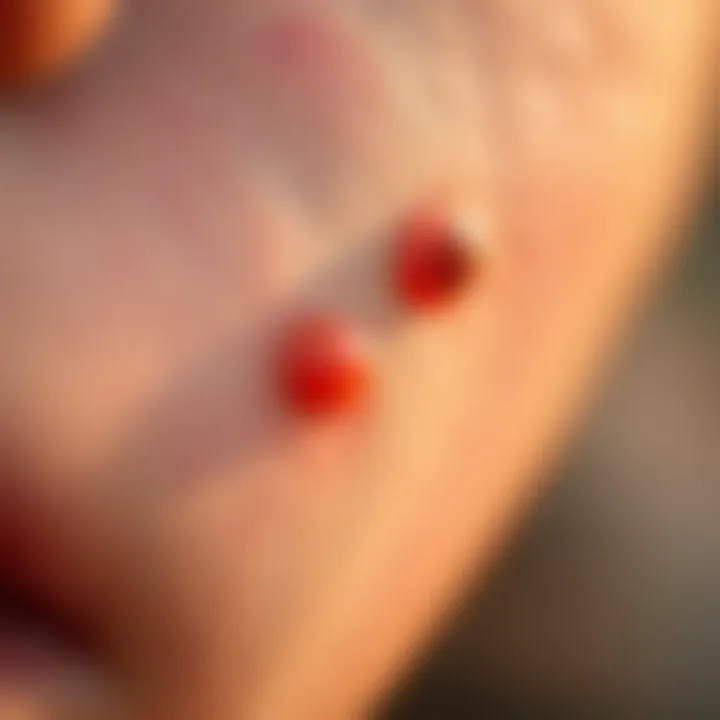
- Bite Appearance: Unlike mosquito bites, which may have a clear puncture mark, no-see-um bites often appear as small red welts or bumps.
- Symptom Onset: The immediate itch and swelling following exposure can serve as additional clues. If symptoms arise shortly after being in a no-see-um-prone environment, it could point to these bothersome insects.
By honing in on these characteristics, individuals can better identify no-see-um bites and respond appropriately through prevention or treatment tactics.
Understanding the nature of no-see-um bites can empower individuals to take swift action, whether seeking immediate relief or implementing long-term preventive strategies.
In summary, being attuned to the physical reactions, the expected duration of symptoms, and the nuances of differential diagnosis can provide a robust framework for managing no-see-um bites effectively. Remaining informed and aware is paramount to alleviating the discomfort associated with these irritating insects.
Prevention Strategies
Preventing no-see-um bites is not just a matter of personal comfort; it is essential for maintaining overall well-being in environments where these insects thrive. These minute pests can turn a pleasant outdoor gathering into a scratching frenzy. Adopting effective prevention strategies can significantly reduce the frequency of bites, thus minimizing both physical discomfort and the worry of possible allergic reactions.
Protective Clothing
Dressing appropriately is one of the simplest yet most effective ways to fend off those pesky no-see-ums. The right kind of clothing acts as a barrier, protecting your skin from being targeted.
- Fabrics: Opt for tightly woven materials, as they make it harder for these insects to bite through. Lightweight long-sleeve shirts and long pants are ideal. Wearing lighter colors can also help; no-see-ums tend to favor darker shades.
- Layering: If you're headed to known hotspots for this type of insect, consider wearing layers. This adds more barriers, providing even greater defense.
- Accessories: Don't overlook items like hats and veils that can shield your face and neck, further safeguarding these sensitive areas.
By incorporating such clothing into your outdoor attire, you equip yourself with an extra layer of protection, giving you peace of mind while enjoying the great outdoors.
Insect Repellents
Using insect repellents is like having armor on when venturing into no-see-um territory. The right repellent can greatly reduce the chances of bites.
- DEET: The most commonly used repellent, it remains highly effective against these insects. Apply a DEET formulation with at least 30% concentration to exposed skin.
- Picaridin: This is a synthetic compound that offers an alternative to DEET. Many find it less greasy and more pleasant in smell.
- Natural Options: If you’re not keen on synthetic options, consider repellents containing oil of lemon eucalyptus or citronella. While they may require more frequent application, they present a more natural alternative.
- Application Tips: Always apply repellents before heading outdoors, paying special attention to areas where bugs are known to bite like ankles, wrists, and behind ears.
Repellents are not one-size-fits-all, so you may need to try different formulations to find what works best for you.
Environmental Modifications
Altering your surroundings can drastically decrease no-see-um populations and reduce your risk of bites. Here are a few proactive steps:
- Eliminate Standing Water: No-see-ums breed in stagnant sources of water. Regularly inspect your yard for such areas and take action—this could be anything from draining puddles to emptying containers where rainwater collects.
- Landscape Choices: Certain plants attract no-see-ums and other insects. Opt for a landscape design that favors repelling plants, like marigolds which are known for their insect-repelling properties.
- Create Barriers: If you have a garden or a patio, consider installing screens or mesh barriers to keep these pests at bay.
“Prevention is better than cure.”
By making these environmental changes, not only do you shield yourself from bites, but you contribute to a larger practice of pest management that can benefit the entire area.
Employing these prevention strategies lays a strong foundation in the war against no-see-um bites. When you protect yourself through clothing, smart repellent choices, and modifications to your environment, you reduce the risk of those annoying bites significantly.
Immediate Response to Bites
The discomfort from no-see-um bites can be intense, making the topic of immediate response crucial. Addressing the situation promptly can significantly lessen the severity of the reaction and help expedite healing. Knowing how to respond rapidly and effectively not only eases the immediate itch but can also diminish the risk of complications, such as infections or increased irritation.
In this section, we will explore two pivotal immediate responses: cleaning the bite area and applying cold compresses.
Cleaning the Bite Area
One of the first steps to take after being bitten is to clean the affected area. This process is more than just a formality; it lays the groundwork for effective treatment. Immediate cleaning can help remove any saliva from the no-see-um that may linger on the skin, potentially limiting the irritants that contribute to itching and swelling. Here are some practical steps:
- Use mild soap and water: A gentle, unscented soap paired with lukewarm water suffices. This combination cleanses the area without adding additional irritants that fragrances can cause.
- Pat dry with a clean towel: Avoid rubbing the skin, as that can exacerbate irritation. Gentle patting is the name of the game here.
- Consider an antiseptic wipe: If soap and water are not readily available, an antiseptic wipe can serve as a good substitute. Just be sure it's safe for sensitive skin.
Taking care of the bite area reduces the risk of infection, which can occur if dirt or bacteria enter the skin through the bite. Remember that not addressing the bite can lead to more serious issues down the line, such as secondary infections. This proactive approach is essential in managing not only the itch but also the overall aftermath of the bite.
Cold Compress Applications
After you've cleaned the bite, the next immediate response involves topical cooling methods. Applying a cold compress can work wonders in alleviating itch and reducing inflammation. Here’s how it helps:
- Numbs the Itching Sensation: Cold can create a temporary numbing effect, which can offer you immediate relief from that relentless urge to scratch.
- Minimizes Swelling: The cold constricts blood vessels, which can help decrease inflammation and redness around the bite site.
To apply a cold compress properly:
- Make a DIY cold pack: You can use a clean cloth soaked in cold water or wrap ice cubes in a towel. Ensure that ice is not applied directly to the skin for extended periods, as this can cause frostbite.
- Duration is key: Apply the cold compress for about 10-15 minutes. If the relief fades, feel free to repeat this process, allowing your skin to return to normal temperature between applications.
A quick tip: Always keep a cold compress handy when you know that no-see-ums may be present. It can make all the difference in your comfort level.
Understanding and executing immediate responses to no-see-um bites allows for better management of the aftermath. By cleaning the bite area and applying a cold compress effectively, one can minimize discomfort and avoid further complications, setting a strong foundation for further treatment options that may be necessary.
Topical Treatments for Itch Relief
When it comes to finding immediate relief from the insatiable itch brought on by no-see-um bites, topical treatments stand at the forefront of options available. These treatments are crucial not just for comfort, but also for preventing secondary infections that might arise from excessive scratching. With a myriad of choices available, understanding the specifics of each type helps in selecting the most appropriate one for individual needs.
Over-the-Counter Options
There’s a wide range of over-the-counter treatments that target itchiness effectively. These products are generally accessible and straightforward to use. Here are some common over-the-counter options:
- Hydrocortisone Cream: A corticosteroid that can reduce inflammation and itching.
- Calamine Lotion: Most people recognize this classic treatment for its cooling effect on irritated skin.
- Anti-itch Creams: Formulations containing ingredients like pramoxine can give fast relief.
- Baking Soda Paste: A simple DIY option; just mix baking soda with a bit of water and apply it to the bite.
These options are not only user-friendly but also effective whether you’re at home or out and about. Many from older generations swear by calamine lotion—it’s a remedy that has stood the test of time.
Natural Remedies
If you prefer taking a more holistic approach, several natural remedies can alleviate the itching without the side effects associated with pharmaceuticals. Some viable options include:
- Aloe Vera Gel: Known for its soothing properties, aloe vera gel can hydrate the skin while providing relief.
- Tea Tree Oil: This essential oil can be mixed with a carrier oil and applied to the bite. Its antiseptic properties help in avoiding infections.
- Oatmeal Baths: An oatmeal bath can serve as a good remedy for those with multiple bites. Just grind oats and add to warm bath water for a soothing effect.
- Chamomile Tea Bags: Using cooled tea bags directly on the bites can also help. This approach combines the cooling effect of the tea with the soothing properties of chamomile.
Natural remedies may not deliver instant relief, but many find them effective over time and appreciate their gentle nature on the skin.
Prescription Creams
In more severe cases, prescription creams might be necessary. These options often contain stronger medications, aimed at providing relief for particularly irritable bites:
- Topical Steroids: Stronger than over-the-counter hydrocortisone creams, prescription steroids can drastically reduce inflammation and itchiness.
- Calcineurin Inhibitors: Medications like tacrolimus can help in reducing itch and inflammation without the side effects of steroids.
- Antihistamine Creams: Some prescription antihistamines are formulated for topical use, providing another level of relief.
When considering prescription options, it’s always prudent to speak with a healthcare professional. This ensures you choose the right treatment for your specific situation and minimizes the risk of side effects or complications.
Remember: Whether you opt for over-the-counter solutions, natural remedies, or prescription creams, consistency in application is key to effectively managing the itch from no-see-um bites.
Oral Antihistamines and Pain Relief
When it comes to tackling the relentless itch from no-see-um bites, oral antihistamines can be a vital tool in one’s arsenal. These medications work by blocking histamine, a substance in the body that triggers allergic reactions and itching. By managing the body’s response to the irritants in no-see-um saliva, antihistamines help to mitigate discomfort and make life a bit easier during the pesky summer months.
Types of Antihistamines
There are mainly two categories of antihistamines: first-generation and second-generation, both possessing unique attributes, which can be beneficial for different individuals.
- First-generation antihistamines like diphenhydramine (Benadryl) and chlorpheniramine (Chlor-Trimeton) are known for their sedating effects. They are often effective for immediate itch relief but can cause drowsiness, which might not be suitable for everyone—especially if you need to remain alert.
- Second-generation antihistamines, including loratadine (Claritin) and cetirizine (Zyrtec), generally do not cause sedation, making them more appropriate for daytime use. They tend to have a longer duration of action, allowing for less frequent dosing, which is convenient for those who may be dealing with multiple bites throughout the day.
Choosing the right type can make all the difference. In some cases, individuals may even alternate between the two types to achieve optimal relief based on their personal responses, timing, and activities planned for the day.
Safety Considerations
While antihistamines can provide significant relief, it’s important to approach them with caution. First and foremost, individuals should always consult their healthcare provider for personalized advice, especially if they are already on other medications. Interactions can occur, and some antihistamines can exacerbate certain health conditions.
Additionally, the side effects of these medications deserve attention:
- Drowsiness and Sedation: First-generation antihistamines need to be used judiciously, mainly before bedtime. If taken during the day, one may find themselves nodding off in the middle of their daily tasks.
- Dry Mouth and Eyes: Antihistamines may cause drying effects, which can be uncomfortable. Staying hydrated and using saliva substitutes or eye drops can help alleviate these symptoms.
- Heart Concerns: Some individuals may experience increased heart rates or arrhythmias, which can be concerning, especially for those with pre-existing health conditions.
Always read medication labels carefully and be cautious regarding the dosing, particularly for children. It’s crucial to follow guidance from a healthcare professional to avoid any adverse effects.
In summary, while oral antihistamines can provide significant relief from the itch associated with no-see-um bites, understanding the differences between various types, as well as practicing safety considerations, is key to effective management. By integrating these medications into a comprehensive approach alongside preventive strategies and topical treatments, individuals can better navigate the discomfort caused by these minuscule yet tenacious nuisances.
When to Seek Medical Help
Seeking medical help in response to no-see-um bites is crucial for a few reasons. These insects may seem harmless, given their size, but their bites can cause significant discomfort and may lead to complications if not addressed properly. Understanding when to seek professional assistance ensures that individuals can manage their symptoms effectively and prevent any serious health issues from arising.
Signs of Infection
Infection is one of the primary reasons to consult a healthcare professional after experiencing bites from no-see-ums. The symptoms of an infected bite can resemble those of the original irritation but may evolve to showcase more alarming signs. Look out for:
- Increased redness around the bite site that spreads outward.
- Swelling that doesn't subside within a few days.
- Warmth emanating from the affected area, indicating potential inflammation.
- Pus or discharge, which signifies infection as the body responds to the foreign irritants.
- Fever or chills, which might suggest that the infection has entered the bloodstream.
If you notice any of these symptoms, it’s essential to reach out to a medical professional. Acting quickly may lead to better outcomes and a quicker recovery.
Allergic Reactions
Allergic reactions to no-see-um bites can manifest quite suddenly, and recognizing these signs early can be lifesaving. Individuals with sensitivities may experience:
- Intense itching or a rash that spreads beyond the bite area.
- Hives, which are raised, itchy welts on the skin.
- Difficulty breathing, swelling of the lips, tongue, or throat, which indicates a severe reaction.
- Dizziness or fainting, potentially signaling anaphylaxis.
Allergic reactions vary in severity, and even if previous bites have led to mild reactions, subsequent encounters can escalate. If the symptoms listed above occur, seeking emergency medical help is critical.
Remember, proactive monitoring of bite responses can play a key role in maintaining health after experiencing issues with no-see-ums. By understanding these signs, you can guide your choice for the right treatment path, ensuring that what starts with discomfort doesn’t spiral into something more serious.
Innovative Therapies and Emerging Solutions
When it comes to managing the itch from no-see-um bites, traditional treatments can often feel like just putting a bandage on a larger issue. As such, exploring innovative therapies and emerging solutions is essential for those suffering from these irritating bites. This section delves into two promising avenues: Immunotherapy and alternative approaches. Both seek to provide relief beyond what conventional means can offer, addressing the underlying causes of these annoying reactions and empowering individuals with new ways to manage their symptoms.
Immunotherapy
Immunotherapy is becoming a focal point in the treatment of various allergy-related conditions, and its relevance extends into the realm of no-see-um bites. This approach concentrates on modifying the immune response to specific allergens. Essentially, it involves exposing the individual to controlled amounts of the allergen in a bid to reduce sensitivity and alleviate symptoms over time.
For instance, in one study, patients suffering from various insect bites enrolled in an immunotherapy program reported decreased sensitivity to bites and overall reduced severity of itchiness. This therapeutic path does not yield instant results but rather builds a long-term tolerance. However, patients should remain cautious; it’s vital to undergo this therapy under the guidance of a healthcare professional, as reactions can vary greatly.
"The immunotherapy journey is akin to turning down the volume on a loud radio. Over time, you can enjoy life without the incessant buzz of itchiness in the background."
Moreover, with advancements in personalized medicine, immunotherapy is becoming increasingly tailored. Researchers are conducting trials to determine the most effective dosages and administration methods, making it a promising field worth watching.
Alternative Approaches
While conventional medications are often effective, some people prefer exploring alternative remedies to alleviate the discomfort from no-see-um bites. It taps into nature's vast apothecary and involves methods ranging from herbal solutions to lifestyle changes.
- Herbal Treatments: Certain plants like chamomile, calendula, and neem possess anti-inflammatory properties that may soothe irritated skin. Creating a homemade ointment with these ingredients can provide both relief and a soothing effect.
- Essential Oils: Oils such as tea tree and lavender are valued for their antiseptic and calming properties. Diluting these oils in carrier oils and applying them to bitten areas might relieve itching.
- Dietary Adjustments: Some evidence suggests that certain food choices can impact inflammation levels in the body. Consuming anti-inflammatory foods—like turmeric, ginger, and omega-3 rich sources—might indirectly reduce how the body reacts to insect bites.
- Mindfulness and Stress Reduction: It’s an interesting concept that managing stress can help with itch perception. Practices like yoga or meditation can contribute to overall wellness and provide distraction from itching, reducing the urge to scratch incessantly.
In summary, innovative therapies like immunotherapy and various alternative approaches present a brighter horizon for those weary of no-see-um bites. They offer holistic and tailored treatment pathways that not only reduce immediate discomfort but might also work toward a more permanent solution. Understanding these concepts allows individuals to make empowered choices about how best to address their specific needs.
Check out resources for further understanding at Wikipedia, Britannica, and community insights on platforms like Reddit.
Epilogue: Comprehensive Care for No-See-Um Bites
The discussion surrounding no-see-um bites unveils not only the annoying itch that is so often associated with these tiny insects but also the greater need for a well-rounded approach to manage and treat such discomfort. Through comprehensive understanding as well as practical solutions, individuals can better cope with the consequences of these bites.
In examining the strategies to alleviate itching, we clearly observe that prevention plays a crucial role alongside immediate response and therapeutic measures. Preventive tactics like wearing protective clothing, utilizing effective insect repellents, and modifying environments significantly reduce the chance of getting bitten in the first place. This proactive strategy diminishes the likelihood of experiencing the irritation of bites and ultimately shapes a safer and more comfortable outdoor experience.
Integrating Prevention and Response
A holistic care approach encourages integrating prevention with responses to resources that effectively address symptoms. For instance, after choosing to engage in outdoor activities, applying a reputable insect repellent before stepping out can be the first line of defense against these pests. However, if a bite does occur, the immediate response—cleaning the area and applying a cold compress—serves to minimize the reaction.
This integration of strategies necessitates a synergy between different methods, as one complements the other. Preventive measures and immediate responses act like two sides of the same coin. By combining these methods, individuals not only protect themselves from ongoing discomfort but also gather insights into what works best for their unique circumstances. Awareness of topical and oral treatments becomes essential, too. Many find solace in over-the-counter remedies, while others may prefer natural approaches.
Continuous Awareness and Education
Staying informed about no-see-ums and their behavior enhances one’s ability to tackle problems head-on. Continuous education about how these pests thrive, where they are likely to be found, and the symptoms following their bites empowers individuals with knowledge that transcends mere fear of the itch. Awareness helps build confidence, ensuring that when faced with a bite, the steps taken are swift and effective. Parents educating their children on how to avoid no-see-ums or what to do if bitten fosters generational knowledge that enhances community resilience.
Conclusion-wise, our exploration confirms the importance of a comprehensive approach to managing no-see-um bites. By weaving prevention, immediate responses, and continuous education into a cohesive strategy, individuals can navigate the complexities of dealing with no-see-ums much more effectively.
"An ounce of prevention is worth a pound of cure."
By embracing this ethos, families, veterinarians, and wildlife biologists alike can find effective relief and make informed decisions in their encounters with these tiny irritants, ensuring that the itch doesn’t overshadow the joy of outdoor life.